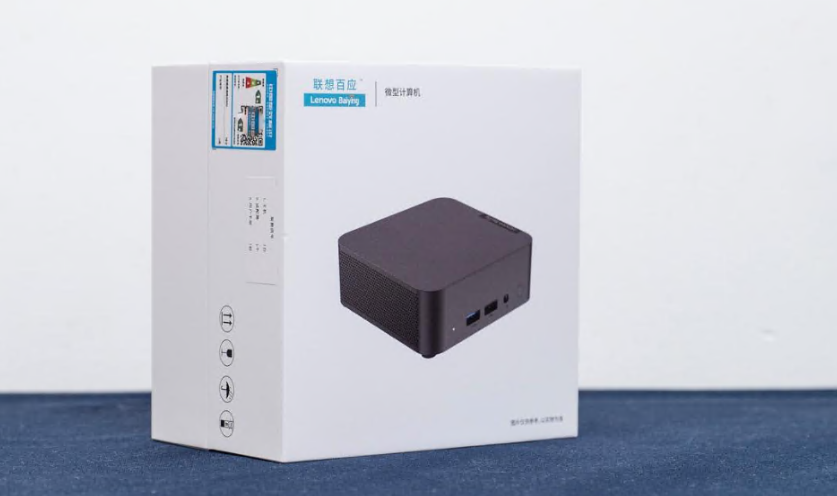
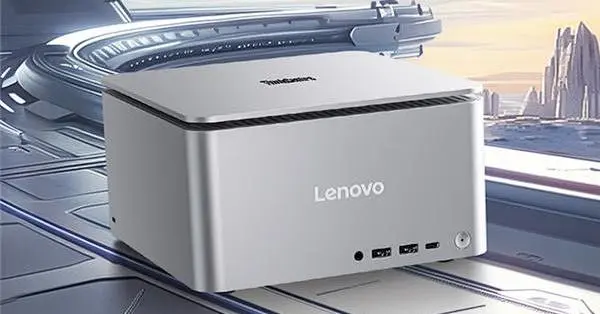
For years, the tech industry has operated under a simple rule of physics: if you want workstation-class performance, you need a giant tower. But Lenovo is rewriting that rulebook with its latest ThinkCentre Neo Ultra lineup. By cramming professional-grade hardware into a chassis the size of a lunchbox, they aren’t just making a smaller PC—they are directly challenging Apple’s Mac Studio dominance.
While the "Small Form Factor" (SFF) market is crowded, Lenovo’s approach stands out. They’ve built what enthusiasts often call a "pocket rocket"—a 3.6-liter rig that balances portability with the kind of raw power usually reserved for massive desktop towers. From AI developers to traveling creatives, here is why this "Creator in a Backpack" might be the most versatile machine on the market.
The 2025 Powerhouse: ThinkCentre Neo Ultra Gen 2
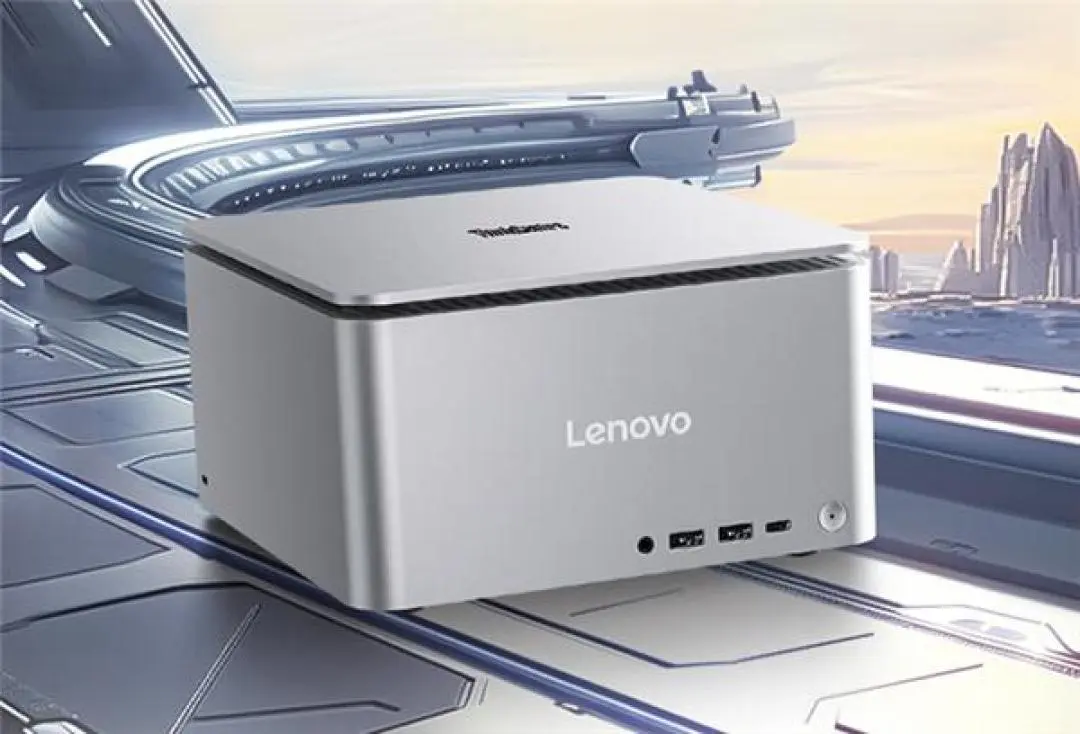
The headline grabber is undoubtedly the upcoming Gen 2 model. While most mini PCs settle for mobile chips, Lenovo has managed to integrate the Intel Core Ultra 200 series (Arrow Lake) with a desktop-class NVIDIA GeForce RTX 5060 Ti.
The engineering feat here is the sheer density of performance. In our analysis of the hardware architecture, this machine achieves a staggering combined computing power of 825 TOPS (Trillions of Operations Per Second). To put that in perspective for developers: this compact box utilizes a collaborative architecture between its independent NPU, CPU, and GPU to run 14-billion-parameter Large Language Models (LLMs) locally with full precision.
This isn’t just about raw speed; it’s about specialized workflow. By offloading AI tasks to the NPU, the RTX GPU is free to handle heavy graphical lifting, making this a dream machine for 3D rendering and edge AI computing.
The Current Workhorse: ThinkCentre Neo Ultra Gen 1
For those looking for immediate availability, the first-generation Neo Ultra remains a "Mac Studio Killer" in its own right. Encased in a premium CNC-milled aluminum chassis, it packs an Intel Core i7-14700 and an RTX 4060.
What separates this from the competition is the "no-compromise" design philosophy. Unlike competitors that rely on bulky external power bricks, Lenovo integrated a 350W high-density power supply directly into the 3.6L case. For professionals running multi-monitor setups, the connectivity is unmatched—supporting up to eight independent displays through a combination of HDMI, DisplayPort, and Daisy-Chaining.
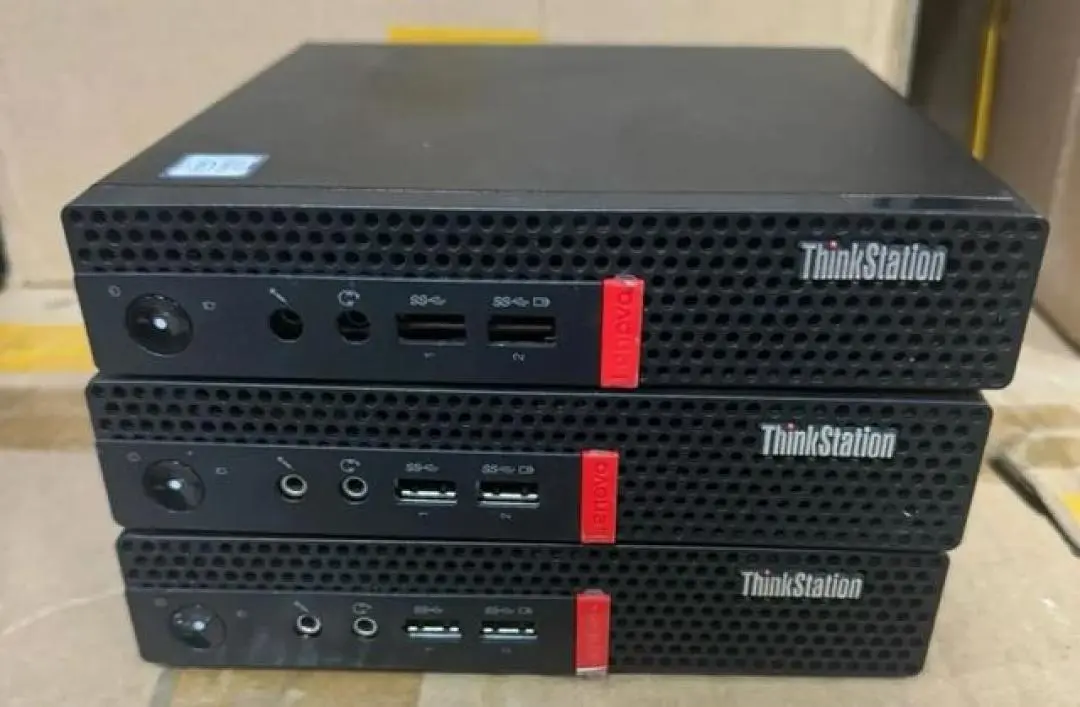
It also features an upgrade path that Apple users can only dream of. With dual PCIe 4.0 slots and accessible SODIMM memory, this machine offers the flexibility to grow with your workload.
The Traveler’s Secret: ThinkCentre M90n-1 Nano
While the Ultra series targets power users, the ThinkCentre M90n-1 Nano serves a unique niche for the hyper-mobile user. With a volume of just 0.35 liters and weighing in at a mere 1.1 lbs (505g), it redefines what a desktop can be.
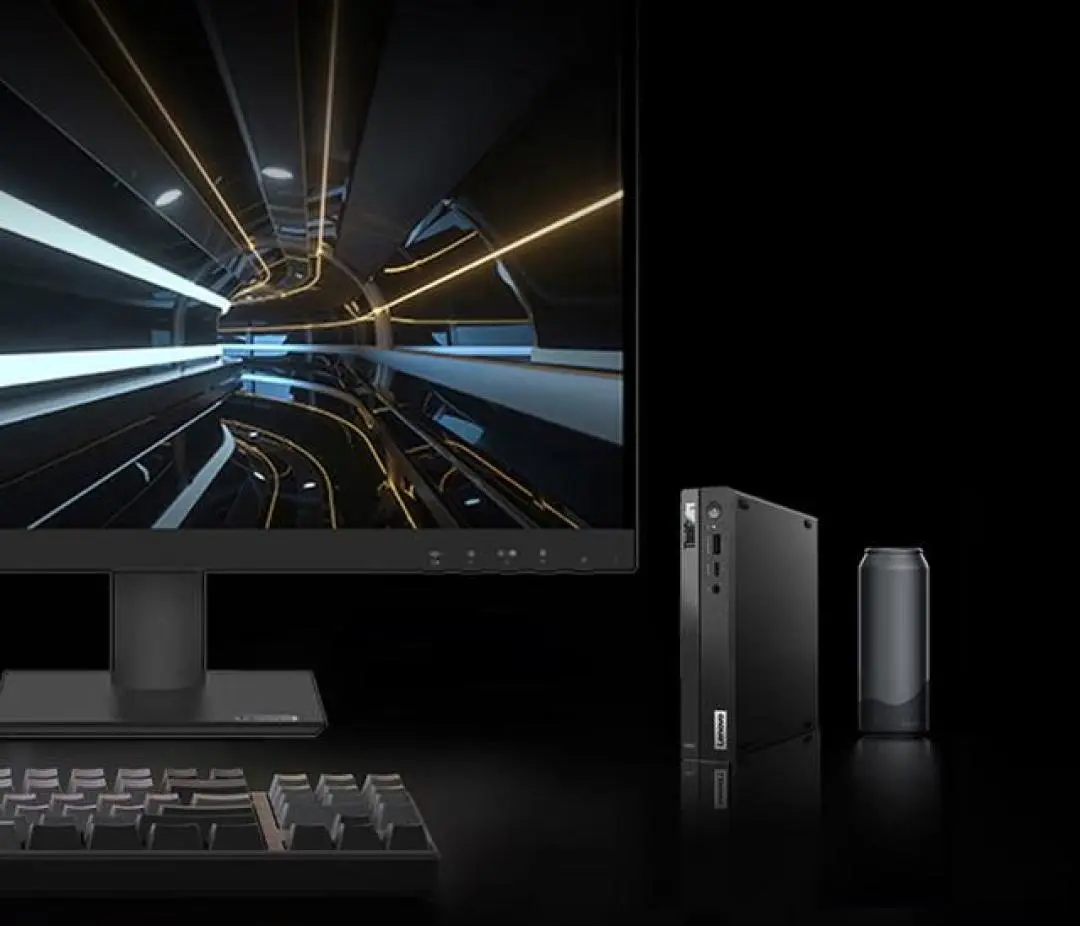
This unit supports 65W USB-C PD power, meaning you can run it off a standard high-power laptop charger or even a compatible power bank. It also features built-in 4G/LTE modules, ensuring connectivity in airports or remote job sites.
An Enthusiast’s Note: Beyond the spec sheet, the Nano has gained a cult following in the tech community for its surprising compatibility with macOS. Due to its specific hardware architecture, it has become a favorite for "Hackintosh" projects, offering developers a highly portable, cost-effective UNIX-like environment that rivals the Mac mini in versatility.
Thermal Engineering: Silence in a Small Box
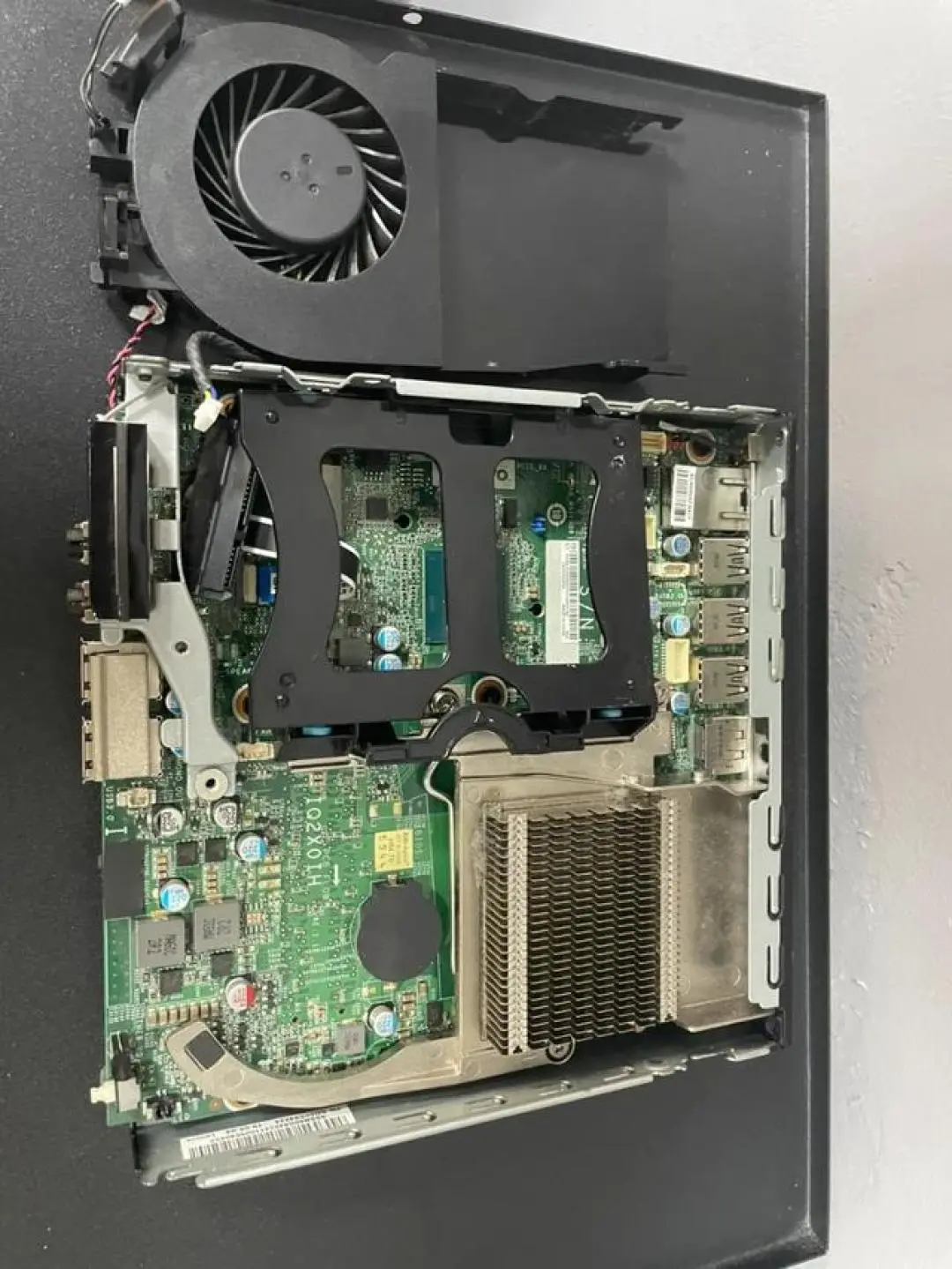
The biggest fear with SFF PCs is noise and heat. Lenovo addresses this with a proprietary cooling solution that uses phase-change thermal materials and a multi-dimensional airflow design.
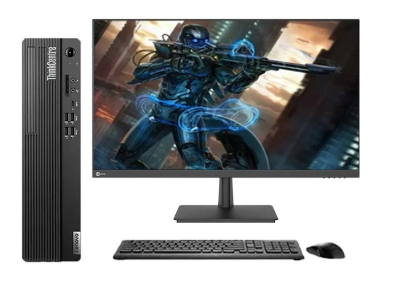
Despite the high-wattage components inside, these units are tuned to operate at a whisper-quiet 40dB even under load. This thermal management allows the GPU to sustain high power draws (up to 180W in specific configurations) without thermal throttling—a common pitfall in the mini PC category.
The Verdict: Performance Without the Footprint
Lenovo’s strategy with the ThinkCentre lineup proves that the trade-off between size and power is becoming a thing of the past. Whether you need a machine that can handle Unreal Engine 5 rendering, 8K video editing, or complex AI modeling, you no longer need a massive tower under your desk.
The ThinkCentre Neo Ultra series embodies the idiom "small but complete." It offers the expandability of a PC, the footprint of a Mac, and the specialized AI hardware required for the next generation of computing. For the user who views the world as their office, this might just be the perfect computer.