
When does a mini PC stop being just a compact desktop and start actively threatening full-sized traditional workstations? For years, the Apple Mac Studio has dominated the premium compact space, while PC enthusiasts relied on massive, power-hungry desktop rigs to handle intense productivity and local Large Language Models (LLMs).
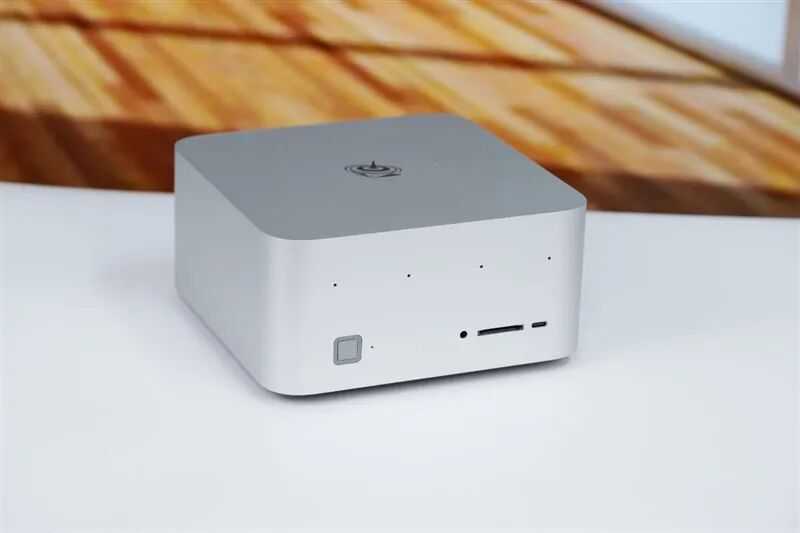
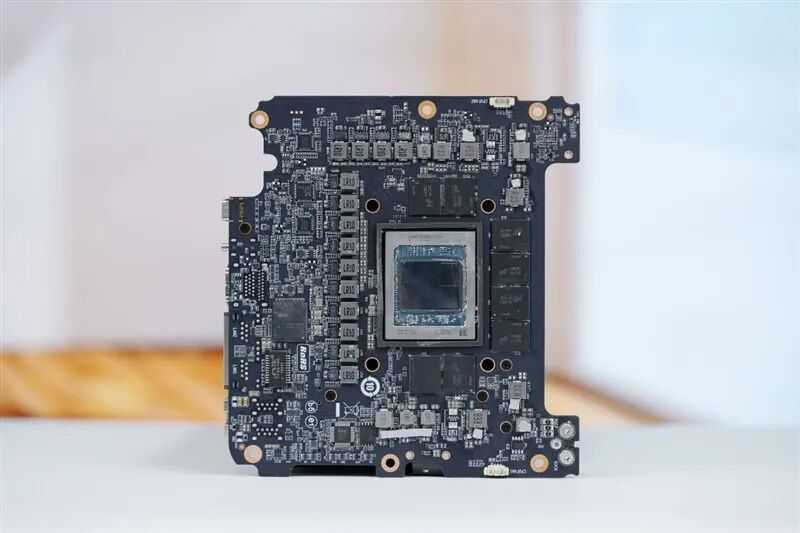
Enter the Beelink GTR9 Pro. Powered by the highly anticipated AMD Ryzen AI Max+ 395 "Strix Halo" APU, this 4.3L machine is a complete paradigm shift for the homelab and prosumer markets. By combining a 16-core Zen 5 CPU, the massive Radeon 8060S iGPU, and 128GB of unified memory into a sleek, aluminum chassis, Beelink has built a system that doesn't just rival high-end Intel chips and Nvidia discrete GPUs—it outright beats them in specific, highly-demanding workflows.
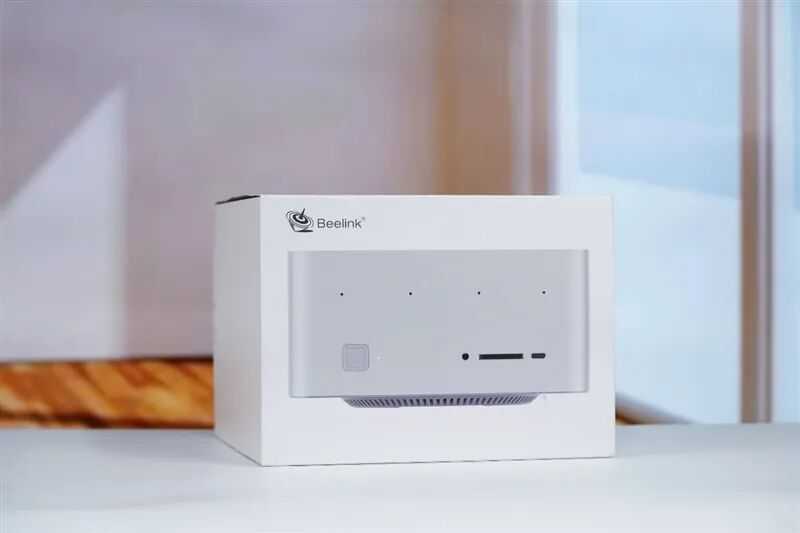
Here is our deep dive into why the GTR9 Pro is an absolute game-changer for AI developers, creators, and enthusiasts.
The Local AI Powerhouse: Running 235B Models Locally
For developers and homelab enthusiasts, the most significant selling point of the GTR9 Pro is its Unified Memory Architecture (UMA). Out of the box, the system features 128GB of blazing-fast LPDDR5X-8000 memory, delivering a massive 256GB/s of bandwidth. Crucially, the BIOS allows you to allocate up to 96GB of this system RAM exclusively as dedicated VRAM for the iGPU.
To put this in perspective, Nvidia’s upcoming flagship desktop GPU, the RTX 5090, will reportedly feature 32GB of VRAM. If you attempt to load a massive 235B parameter model on a 32GB card, you will immediately hit an Out-Of-Memory (OOM) error, resulting in a system crash or a catastrophic drop in compute speed.
The GTR9 Pro, however, handles these massive workloads with ease. In our real-world inference testing, allocating 64GB to system memory and 64GB to VRAM allowed us to run the massive Qwen3-235B and DeepSeek R1 235B quant models natively. When tasked with writing complex, stylized poetry, DeepSeek R1 (235B) generated output at a highly usable 9.62 tokens per second (tk/s). For slightly smaller, highly optimized models like the native MXFP4 GPT-OSS-120B, the GTR9 Pro pushed a blistering 40 tk/s.
Achieving this level of local AI inference typically requires a multi-GPU desktop rig drawing upwards of 800W+ and costing thousands of dollars more. Doing it on a machine with a $1,999 price tag is nothing short of revolutionary.
Compute Performance: Crushing the i9-14900HX
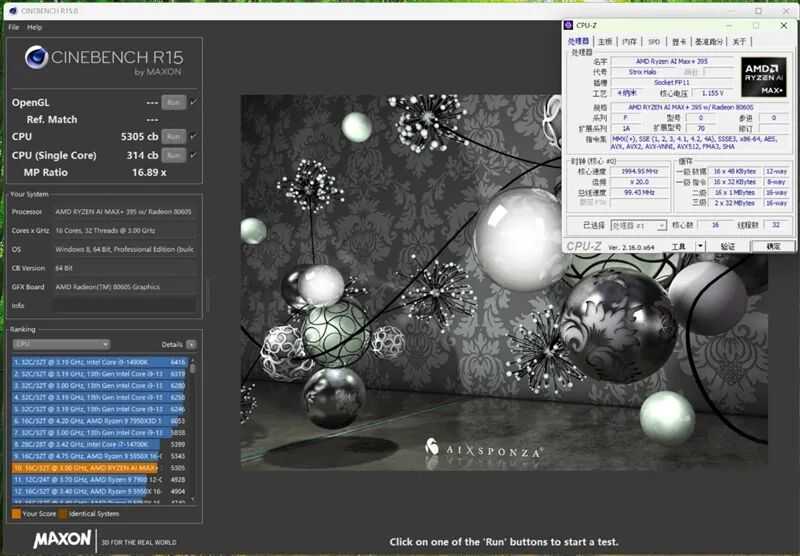
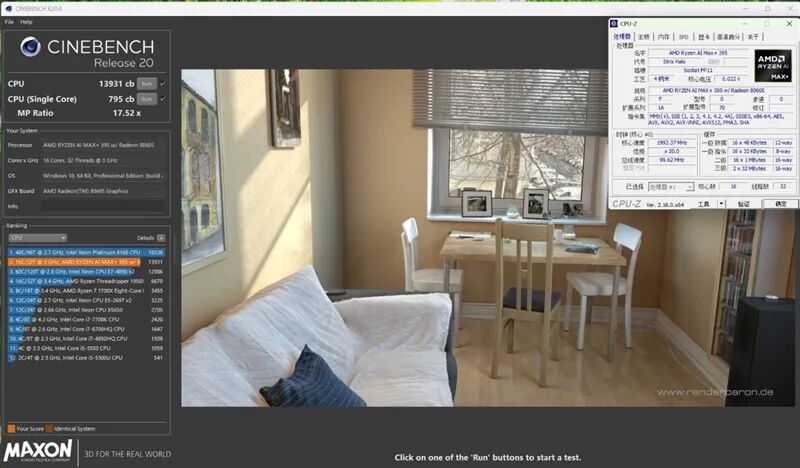
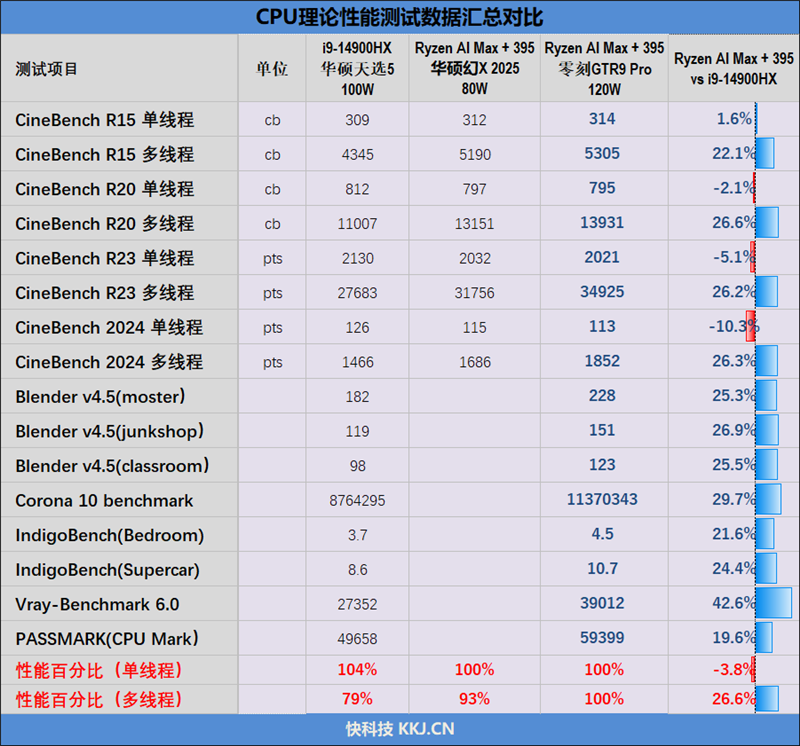
Under the hood, the Ryzen AI Max+ 395 boasts 16 Zen 5 cores and 32 threads, boosting up to 5.1GHz with 64MB of L3 cache. When pitted against Intel’s top-tier mobile workstation chip, the i9-14900HX, the AMD silicon shows its dominance.
Across heavy rendering and productivity benchmarks like Cinebench R23, Cinebench 2024, and Blender, the GTR9 Pro outpaces the i9-14900HX by an average of 26.6%. The performance gap widens even further in applications optimized for AVX-512 instruction sets; in V-Ray Benchmark 6.0, the Ryzen AI Max+ 395 obliterated the Intel chip with a staggering 42.6% performance lead.
Radeon 8060S Gaming & Efficiency: A Discrete GPU Killer?
Integrated graphics have traditionally been viewed as a compromise, but the Radeon 8060S (built on the RDNA 3.5 architecture with 40 Compute Units and 2560 Stream Processors) flips that narrative.
In a suite of modern AAA titles—ranging from Cyberpunk 2077 to Black Myth: Wukong—the Radeon 8060S out-performed the desktop-class RTX 5050 by 9% and beat the RTX 4060 Laptop GPU by 10%.
What makes this truly remarkable is the power efficiency. A desktop RTX 5050 can draw up to 130W for the graphics card alone, while an RTX 4060 laptop GPU pulls around 115W. The Beelink GTR9 Pro, utilizing "Balanced Mode," achieves superior frame rates while drawing just 120W for the entire system (CPU and GPU combined). By leveraging AMD's FSR and Frame Generation technologies, this mini PC doubles as a highly capable 1440p gaming rig with a fraction of the traditional power footprint.
Thermals and Acoustic Profile: Vapor Chamber Excellence
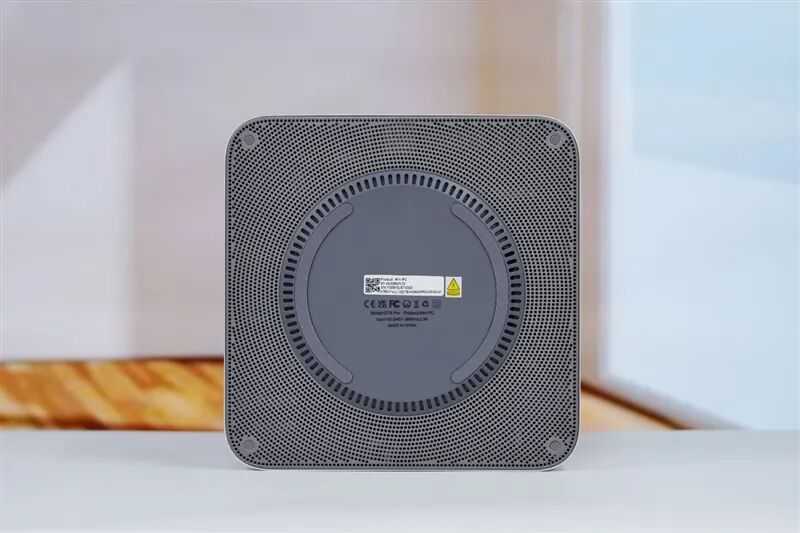
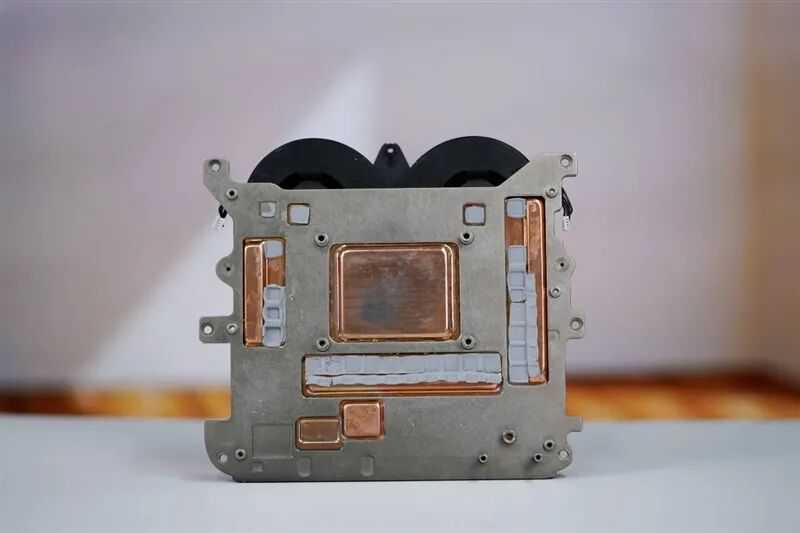
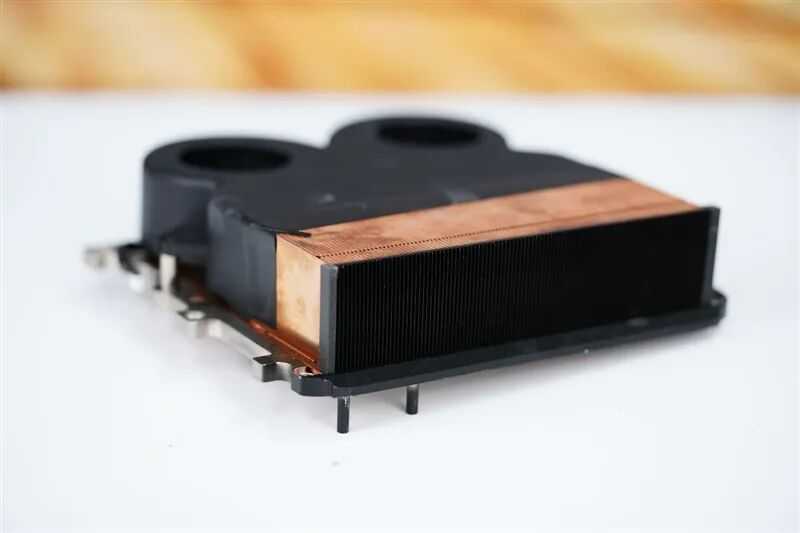
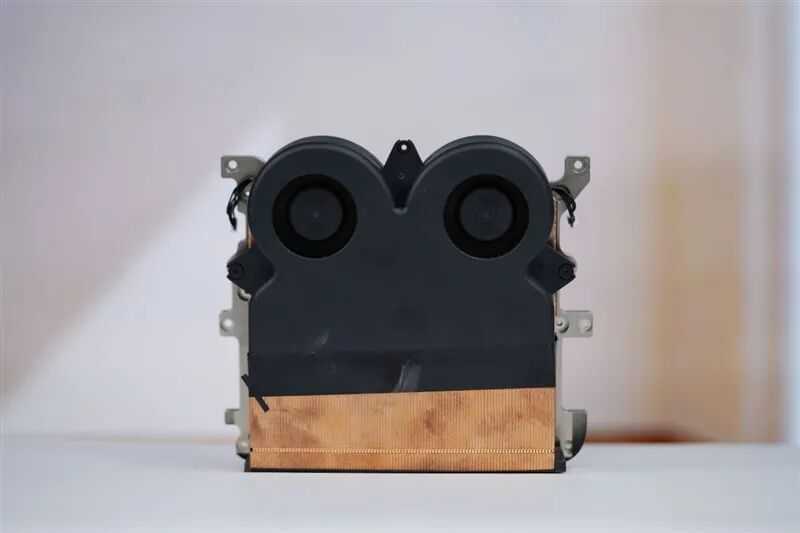
Packing this much power into a small chassis usually results in severe thermal throttling and jet-engine fan noise. Beelink engineered around this by implementing their MSC 2.0 cooling system, which features a massive bottom-mounted vapor chamber, 137mm wide heat fins, and a dual-blower fan setup utilizing a bottom-to-top airflow design.
In a brutal dual-bake stress test (maxing out both the CPU and GPU simultaneously at a sustained 120W TDP), the cooling solution proved its worth. Because the GPU shares the thermal load so efficiently, the CPU temperature plateaued at just 69°C, while the GPU never exceeded 76°C. Even during prolonged AI inference tasks or gaming sessions, the system remains impressively cool. If you push it into the BIOS-unlocked 140W "Performance Mode," the acoustic profile becomes slightly more noticeable, but it remains vastly quieter than a traditional gaming laptop.
Connectivity and Build Quality
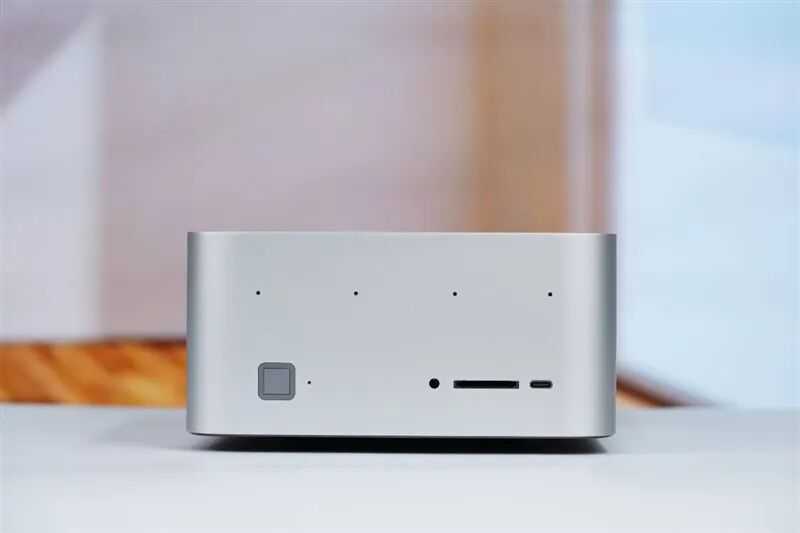
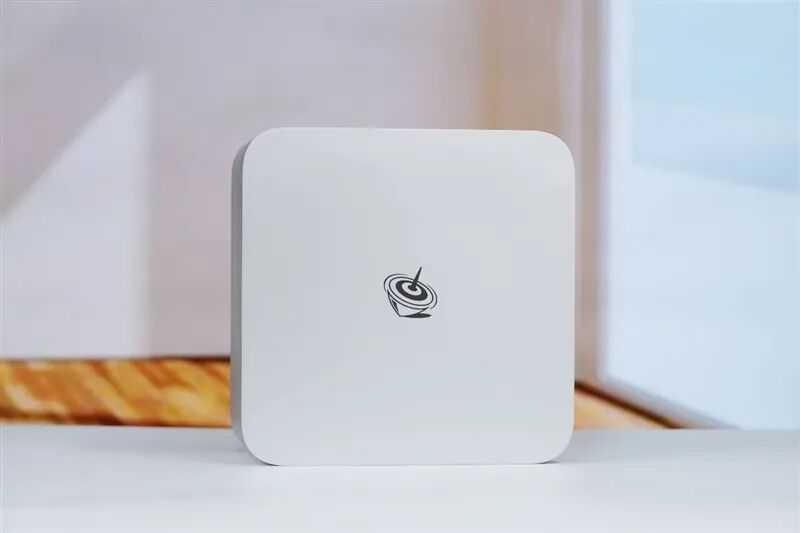
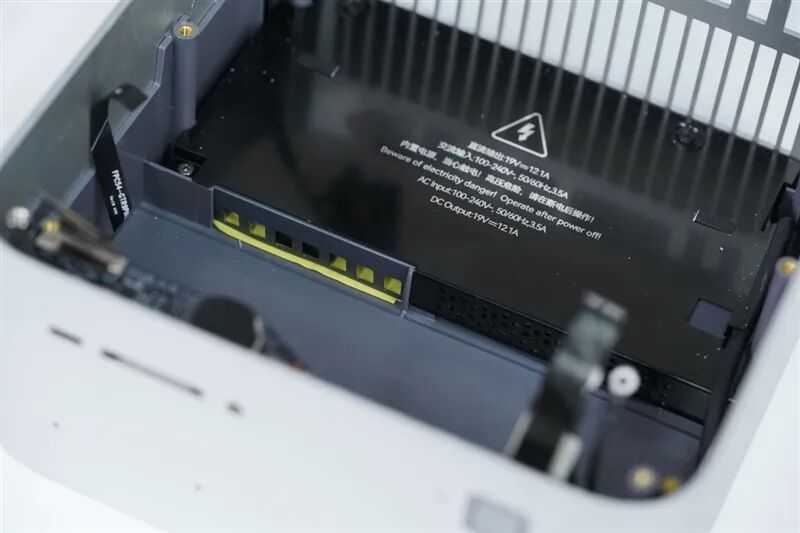
The CNC-machined aluminum chassis feels incredibly premium, directly invoking the industrial design of the Mac Studio. Beelink includes an internal 230W power supply, eliminating the dreaded external power brick.
The I/O is robust and tailored for prosumers:
Front: A fingerprint-sensor power button, 3.5mm audio, a full-size SD 4.0 card reader, and a 10Gbps USB-C port.
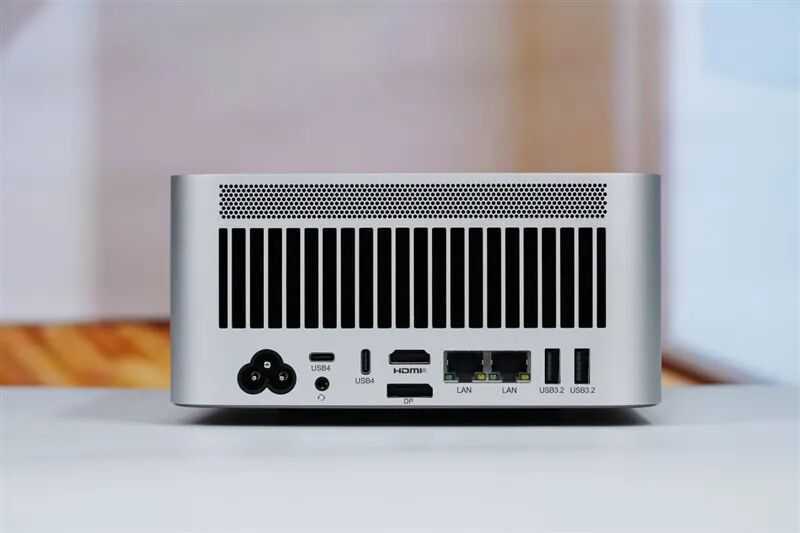
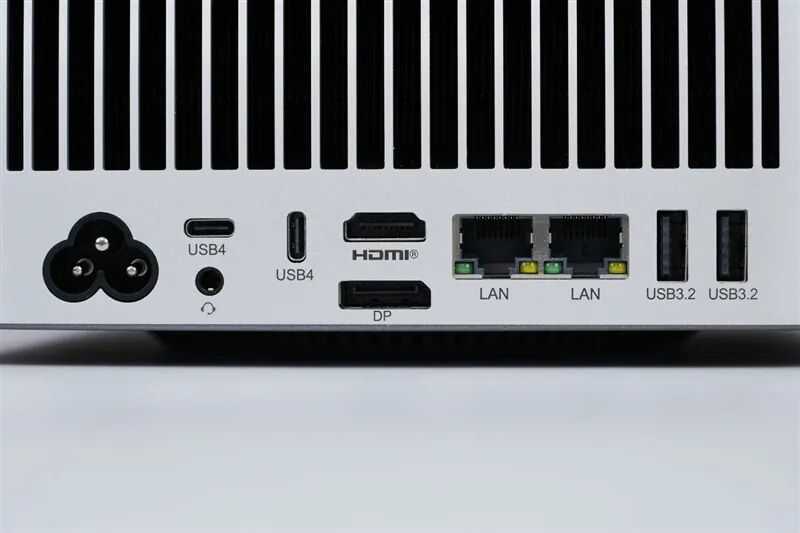
Rear: Dual USB4 (40Gbps) ports, HDMI 2.1, DisplayPort 2.1, dual USB-A 3.2 ports, and dual 10GbE network ports.
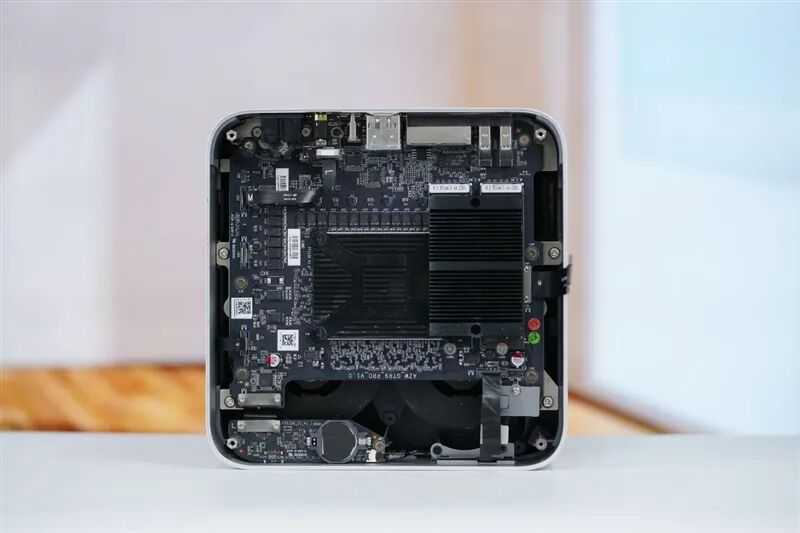
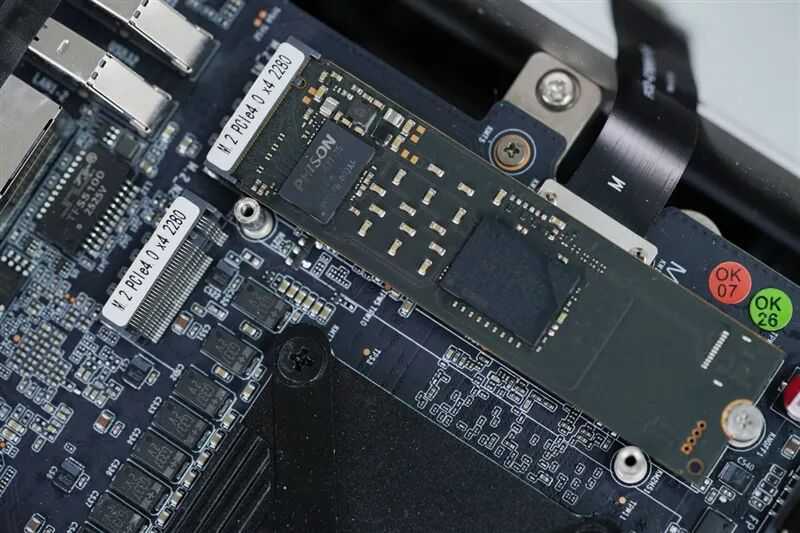
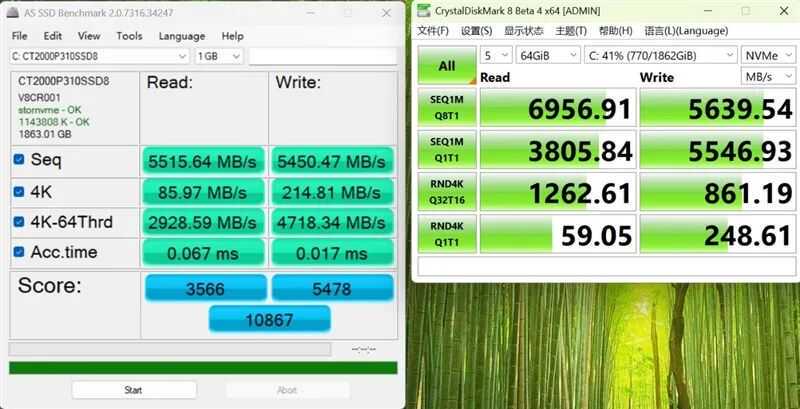
Internal: Two PCIe 4.0 x4 M.2 NVMe slots for massive storage expansion.
The Final Verdict
At the $1,999 price tier, the Beelink GTR9 Pro is not a budget mini PC; it is a premium, specialized workstation. It squarely targets users who want the aesthetic and compact nature of an Apple Mac Studio but require the flexibility of Windows/Linux, the massive memory pools needed for local LLMs, and x86 gaming capabilities.
By offering the ability to allocate 96GB of VRAM and run 235B parameter models natively, the GTR9 Pro establishes an entirely new value proposition. It delivers desktop-class rendering power, beats dedicated discrete GPUs in gaming efficiency, and stays remarkably cool under pressure. For the AI developer, homelabber, or creative professional looking to maximize compute density per square inch of desk space, the GTR9 Pro is currently in a class of its own.


