
The era of the Raspberry Pi as the default budget home server is facing its stiffest competition yet. With the arrival of Intel’s Alder Lake-N series, specifically the N95 and N100 chips, the price-to-performance ratio for low-power computing has shifted dramatically.
Today we are looking at the Beelink Mini S12 and its beefier sibling, the Mini S12 Pro. While these units are marketed as capable office replacements, their specs suggest they might just be the ultimate entry-level nodes for your home lab, Plex media server, or Home Assistant setup.
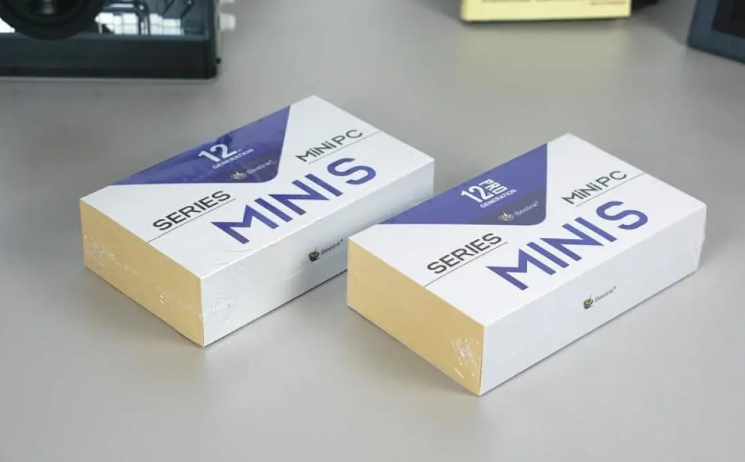
Here is a deep dive into whether these sub-$200 boxes can replace your desktop tower—or your Raspberry Pi cluster.
Design and Build: Plastic, But Practical
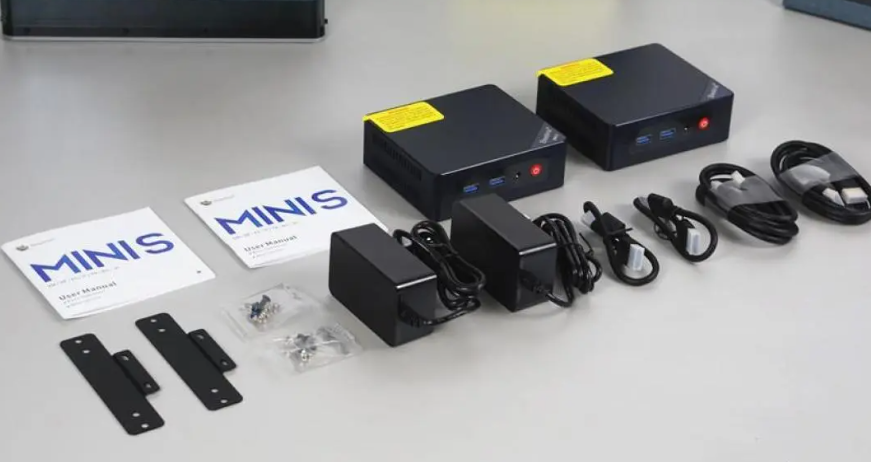
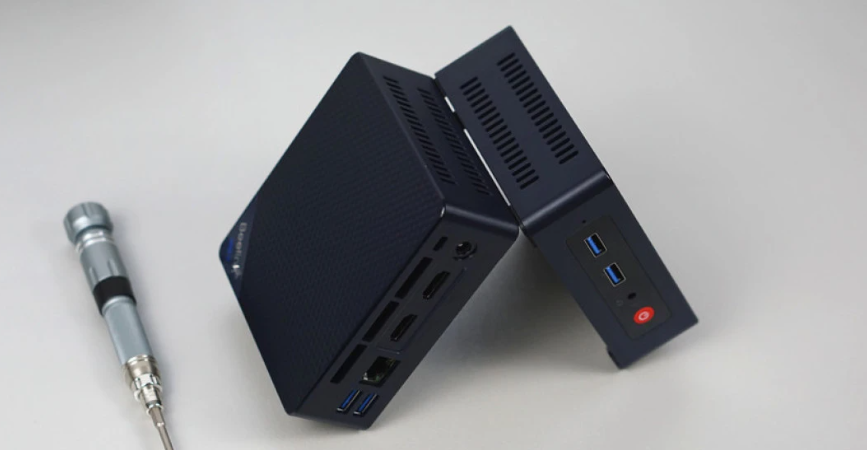
At first glance, it is hard to distinguish the standard S12 from the Pro version. Both utilize a lightweight ABS plastic chassis measuring a compact 4.5 x 4.0 x 1.5 inches (0.45L volume). While they lack the premium metal feel of higher-end NUCs or Mac Minis, Beelink has made a smart design choice with the top panel
.
The top features a laser-engraved texture designed specifically to resist fingerprints and scratches—a welcome change from the glossy "piano black" dust magnets we often see in the budget sector. It also catches the light with a subtle, shifting gradient that gives it a bit of character on a desk.
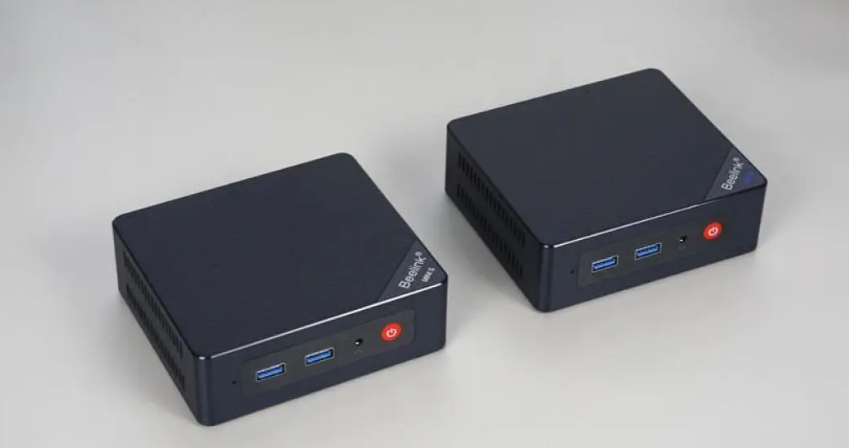
Spotting the difference: The only visual cue distinguishing the two is the corner branding. The standard Mini S12 features silver lettering, while the high-performance S12 Pro sports blue lettering.
Connectivity
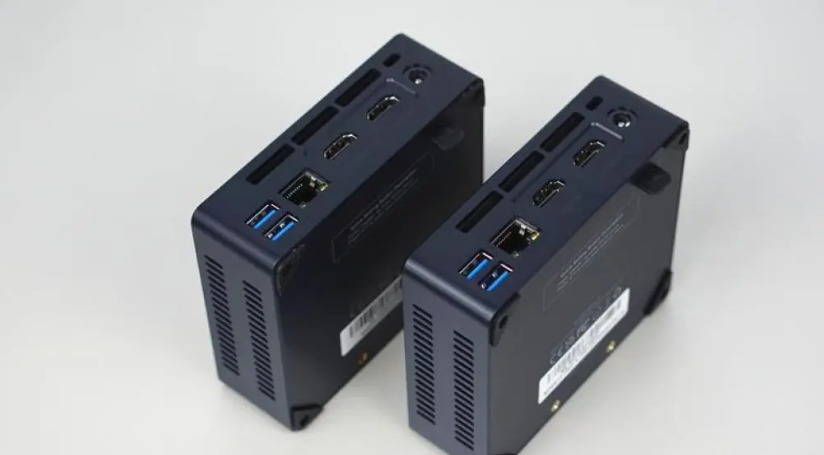
The I/O layout is functional, though it has one glaring omission for 2024.
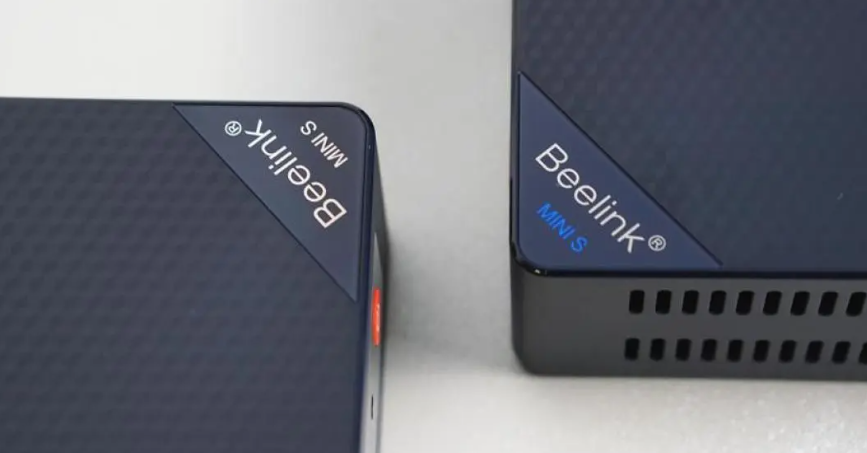
• Front: 2x USB 3.2 Gen 2, 3.5mm Audio Jack, Red Power Button.
• Rear: 2x USB 3.2 Gen 2, Gigabit LAN, 2x HDMI 2.0 (4K@60Hz), DC-in.
The downside: There is no USB-C port. If you were hoping for a single-cable setup or high-speed Thunderbolt peripherals, you are out of luck here. However, for a "set and forget" headless server or basic office PC, the dual HDMI 2.0 is plenty capable.
Under the Hood: The 20W Secret Weapon
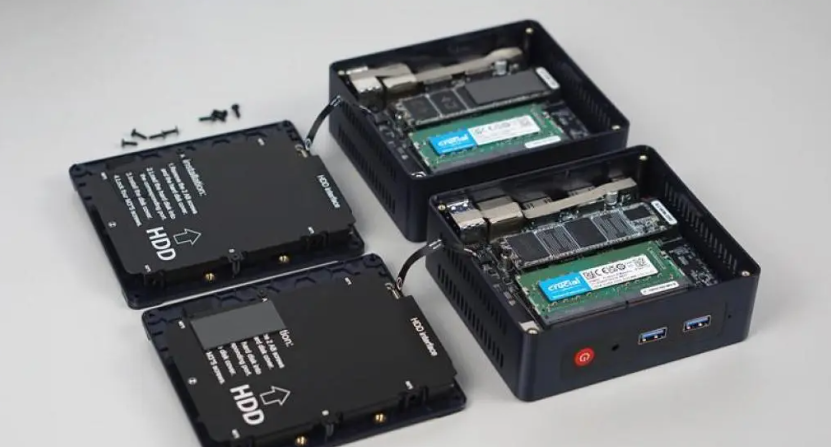
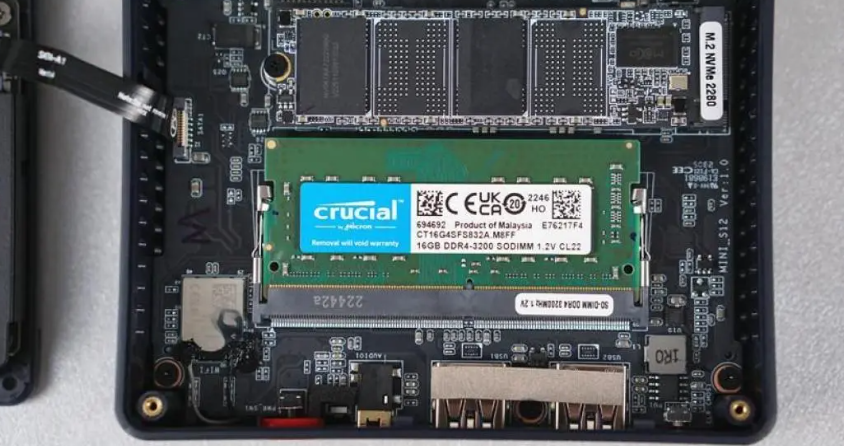
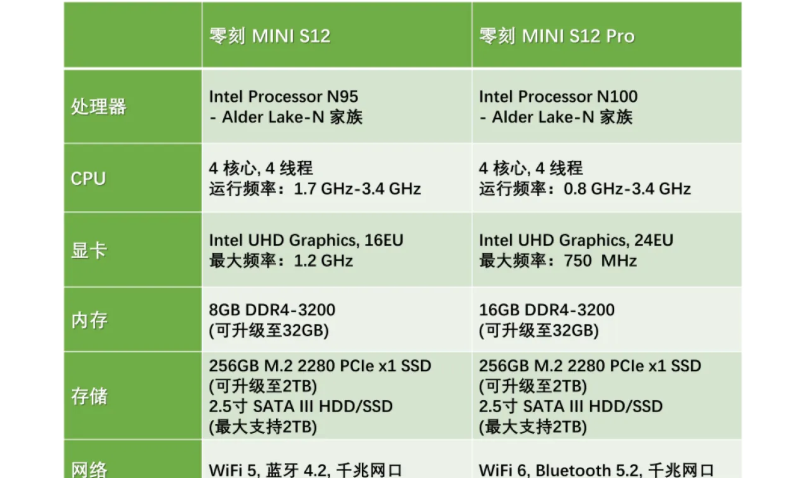
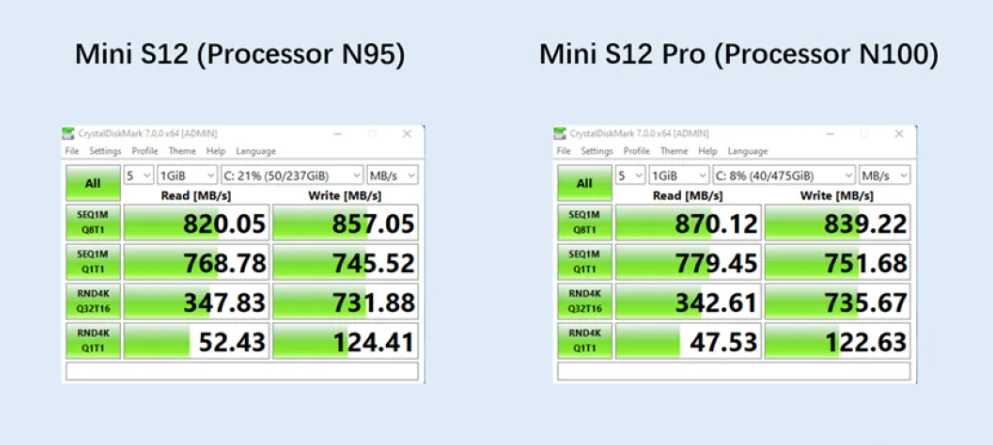
Internally, build quality is surprisingly tidy. Beelink has included a standard SO-DIMM DDR4 slot (upgradable) and an M.2 2280 NVMe slot. Unlike many budget competitors that stick to SATA speeds, this slot supports PCIe 3.0 x1. While not blazing fast by Gen4 standards, it offers a 60-70% speed bump over SATA SSDs, which makes the OS feel significantly snappier.
Storage Expansion: There is a dedicated bay for a 2.5-inch SATA HDD or SSD in the lid, perfect for adding 2TB of bulk storage for your media library.
Wireless:
• Mini S12 (Standard): Wi-Fi 5 / Bluetooth 4.2
• Mini S12 Pro: Wi-Fi 6 / Bluetooth 5.2
The TDP Tweak
Here is where Beelink differentiates itself from generic N100 boxes. The standard Intel TDP (Thermal Design Power) for the N100 chip is 6W. However, Beelink has tuned these units to run at a sustained 20W TDP.
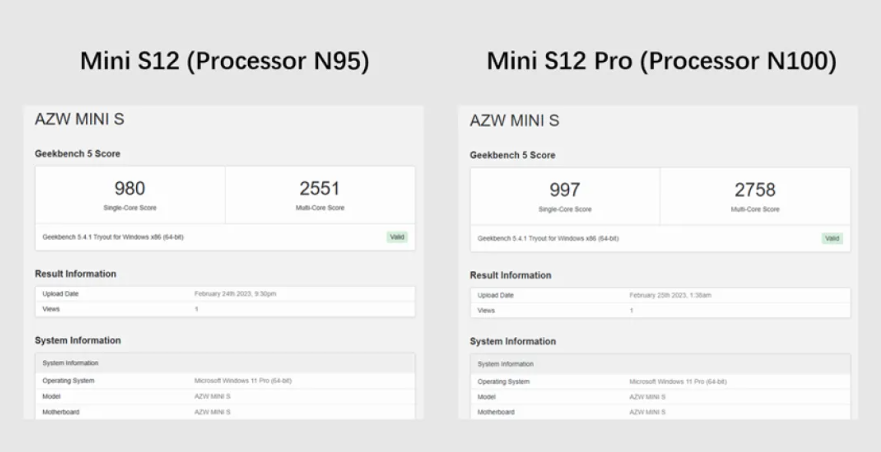
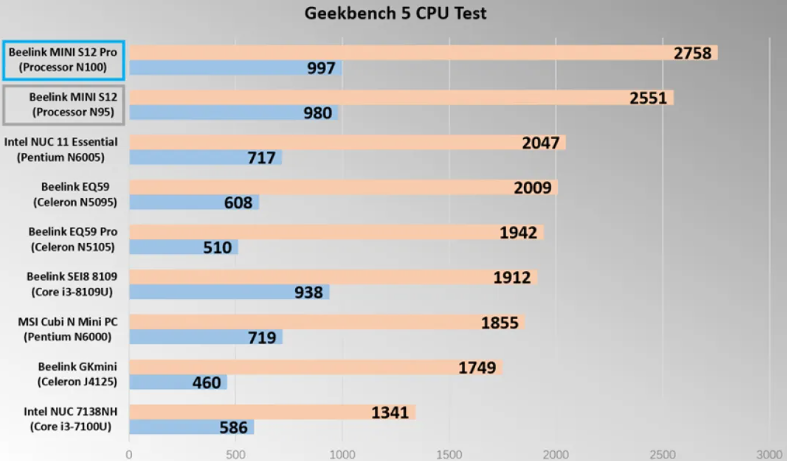
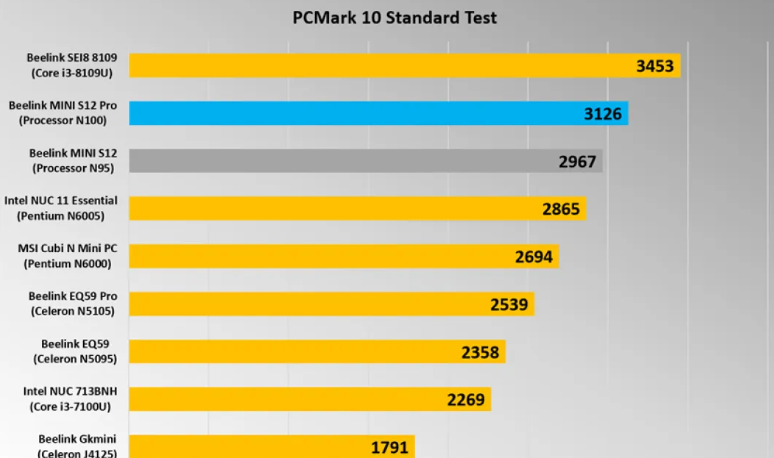
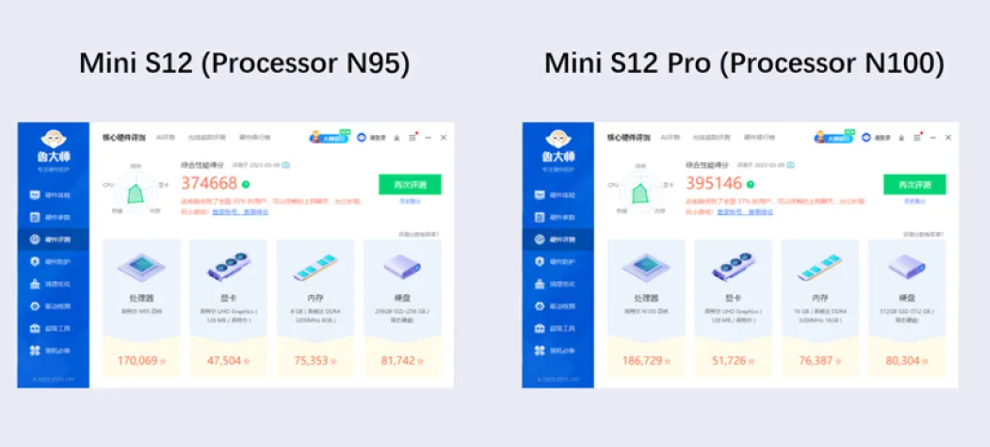
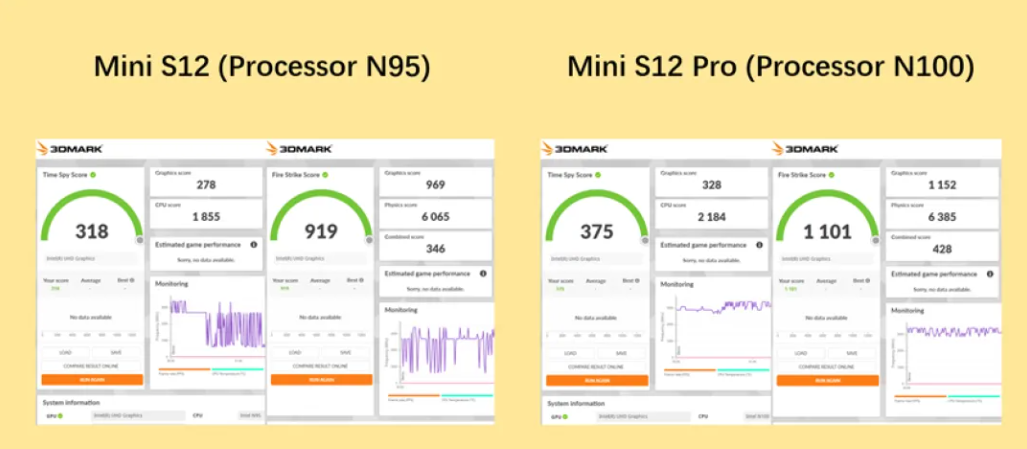
This aggressive tuning unlocks significantly higher performance headroom for the 4-core/4-thread chips. In benchmarks like Geekbench 5, the S12 Pro outperforms older NUCs running Pentium Silver processors and even beats 8th-gen Core i3 mobile chips in multi-core workloads.
Performance: More Than Just Excel Sheets
Productivity and Multitasking
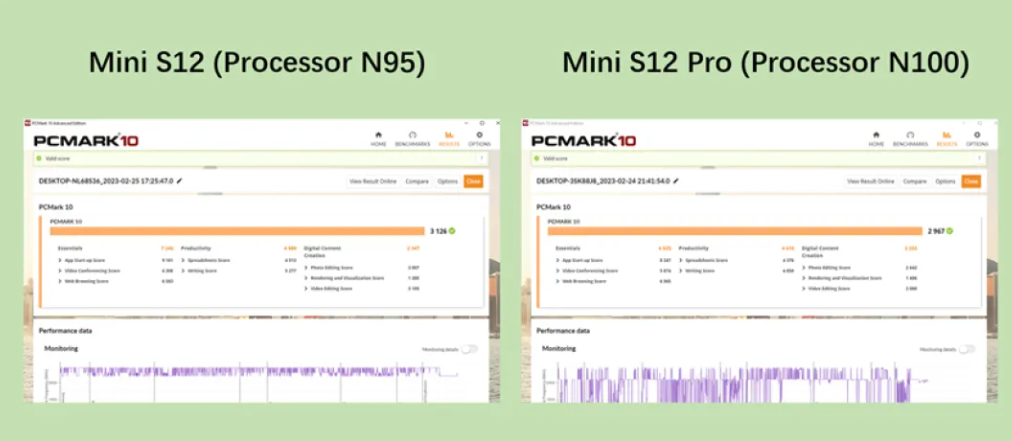
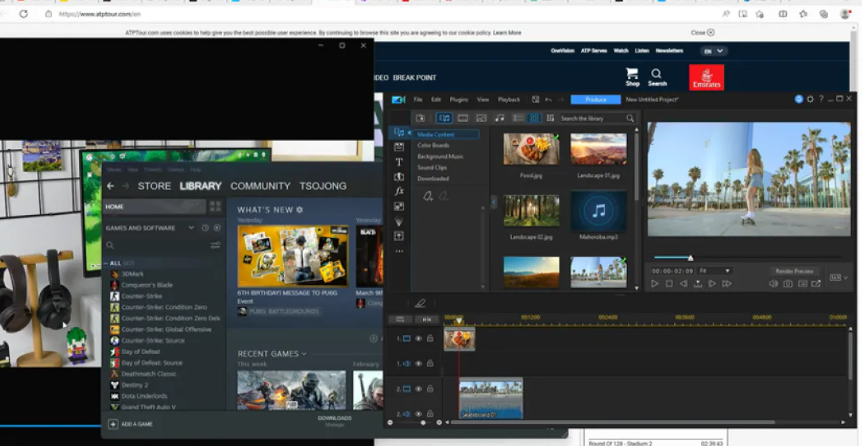
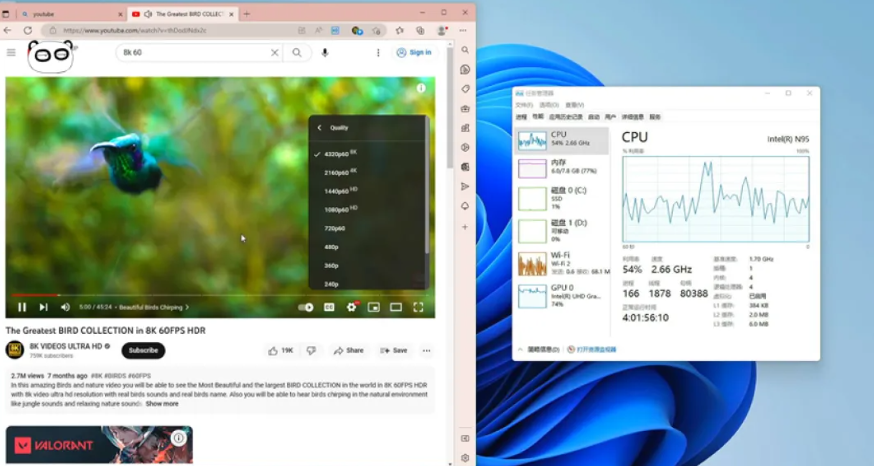
Gone are the days when Celeron/Atom-class Mini PCs choked on a web browser. The S12 series handles modern multitasking with ease. In testing, opening 20+ Edge tabs alongside heavy office applications resulted in zero stutter.
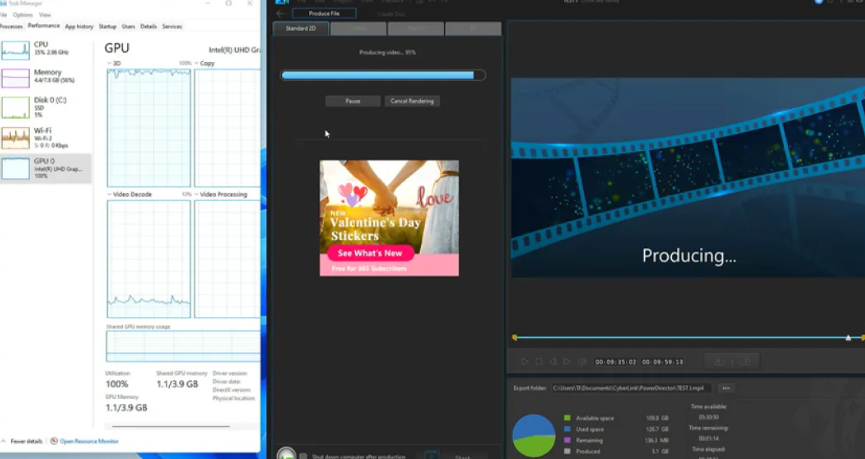
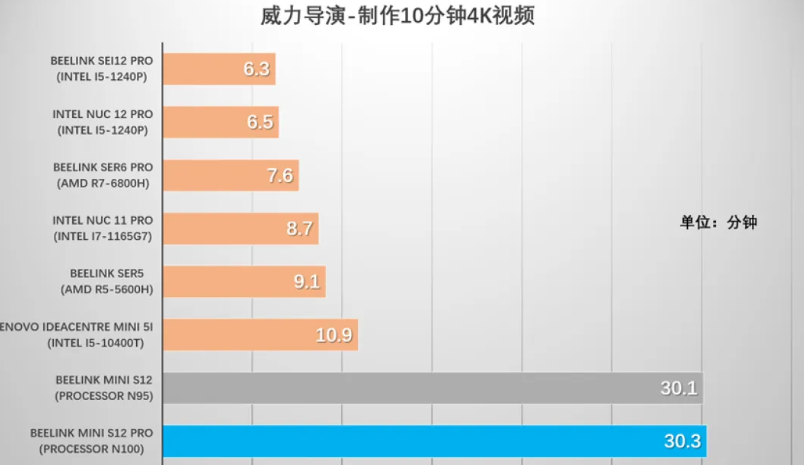
For content creators on a strict budget, you can actually edit 4K video on these machines. While rendering a 10-minute 4K clip took over 30 minutes (roughly 4x longer than a Core i5-1240P), the timeline scrubbing remained relatively smooth thanks to the GPU acceleration. It is not a workstation, but it works in a pinch.
The Home Lab Perspective: Virtualization & Media
This is the use case that matters most to the US market. The Alder Lake-N chips support AV1 decoding, which is a game-changer for media servers.
• Plex/Jellyfin: Utilizing Intel QuickSync, the S12 Pro can handle multiple 4K transcoding streams without breaking a sweat, utilizing the GPU to 95% while leaving the CPU free for other Docker containers.
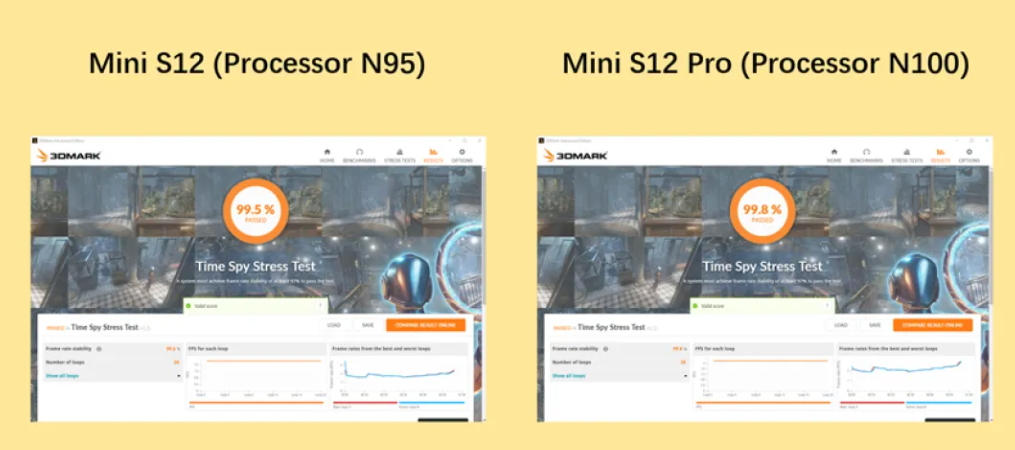
• Stability: In a 3DMark stress test, both units scored over 99.5% stability, proving that the cooling solution can handle the increased 20W power draw without thermal throttling.
Gaming Performance
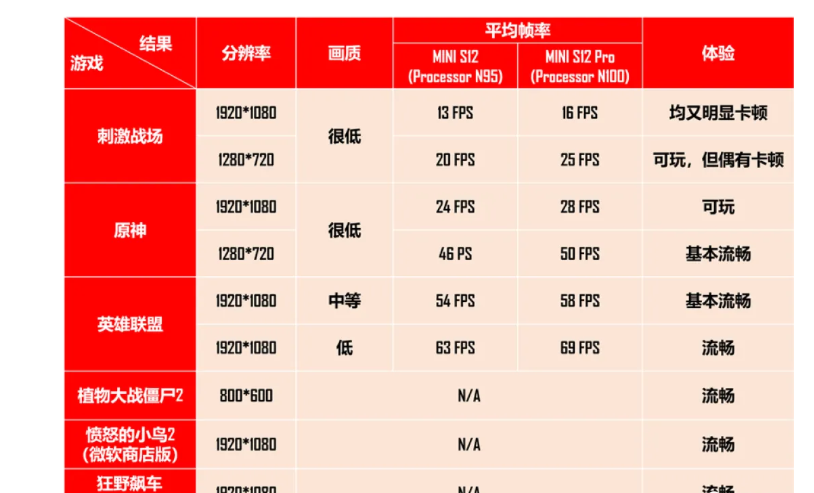
Let’s be realistic: this is not a gaming rig. However, the upgraded UHD graphics do allow for some light eSports gaming.
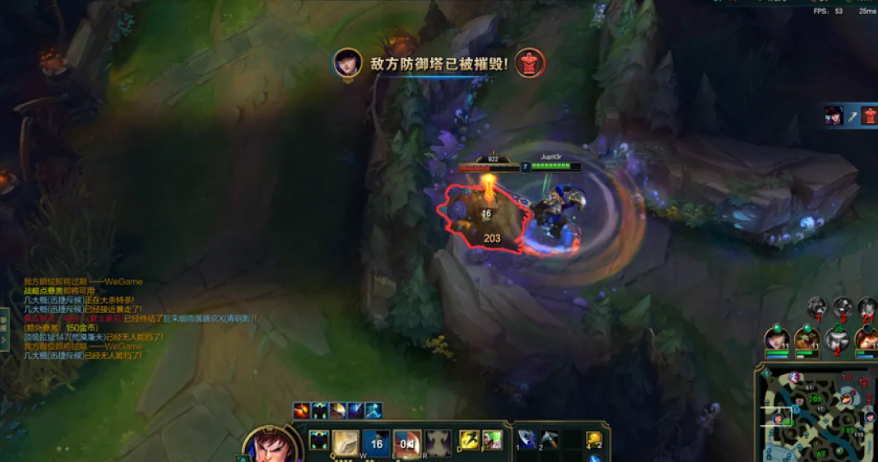
• League of Legends (1080p Med): ~58 FPS
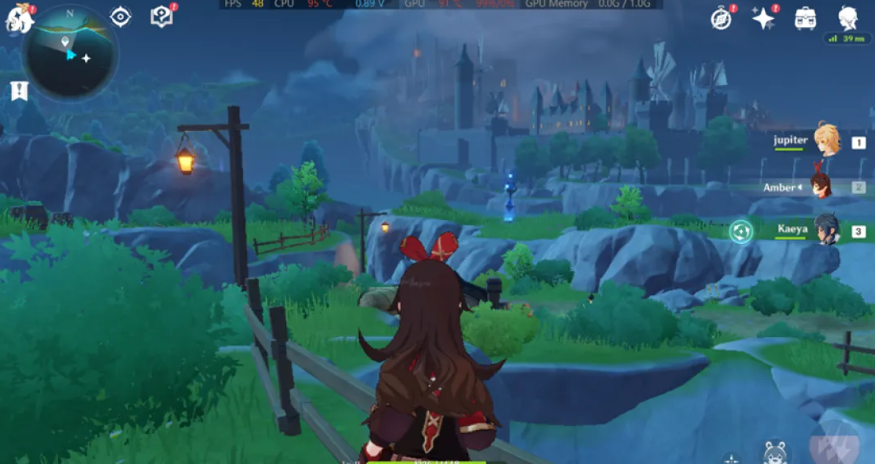
• Genshin Impact (1080p Low): ~28 FPS (Playable, but better at 720p
)
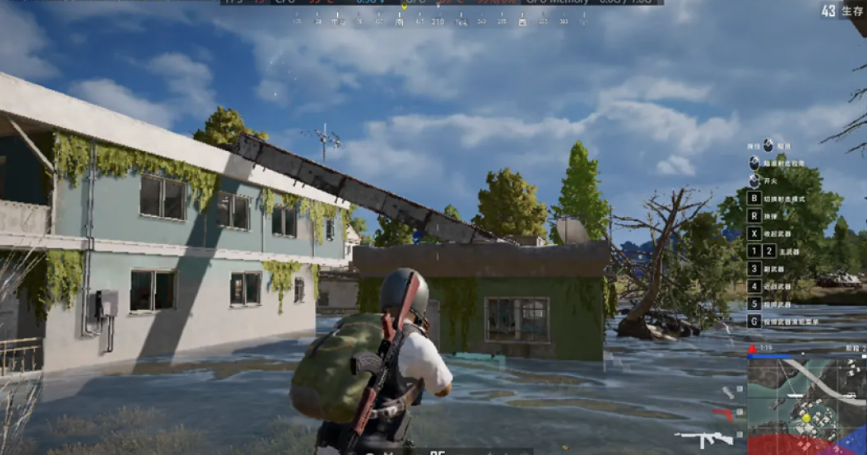
• PUBG: Unplayable at 1080p (~16 FPS).
Power Consumption: The Efficiency Champion
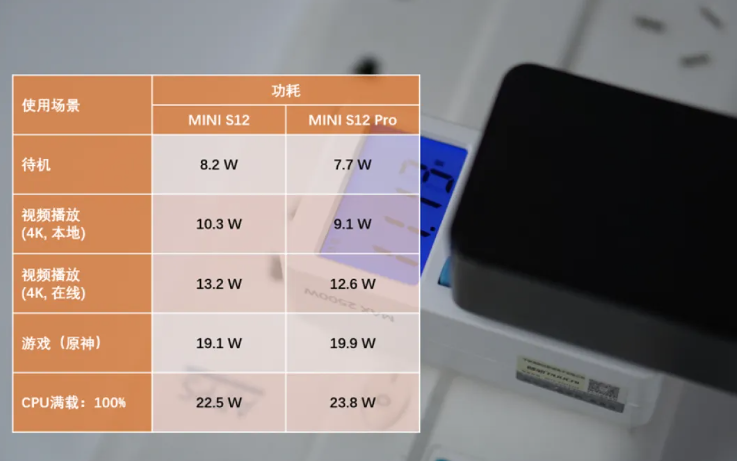
For the 24/7 home server crowd, power draw is everything. This is where the S12 series shines.
• Idle Power: ~8.2 Watts
• Max Load: ~22.5 Watts
To put that in perspective, running this machine 24/7 as a headless server would cost you roughly $10 to $15 per year in electricity (depending on your local rates). It is one of the most eco-friendly x86 machines on the market, offering vastly more power than a Raspberry Pi for only a few watts more power draw.
Verdict: Should You Buy It?
The Beelink Mini S12 Pro occupies a sweet spot in the current market. It is powerful enough to serve as a daily driver for students or office workers, but its true potential lies as a low-power home server.
Pros:
• Excellent price-to-performance ratio.
• AV1 decode support (Great for Plex).
• Low power consumption (8W idle).
• Upgradable RAM and Storage
Cons:
• No USB-C port.
• Only one Gigabit Ethernet port.
Final Buying Advice: If you need a media server, Home Assistant node, or a basic desktop right now, the S12 Pro is a fantastic deal. However, for networking enthusiasts who want to build a firewall router (pfSense/OPNsense), you might want to wait for Beelink’s upcoming EQ12 series. The EQ12 is expected to feature the same N100 chips but will upgrade the networking to dual 2.5GbE ports and DDR5 memory—making it the ultimate router replacement.
For everyone else, the S12 Pro is arguably the new standard for budget computing.


