
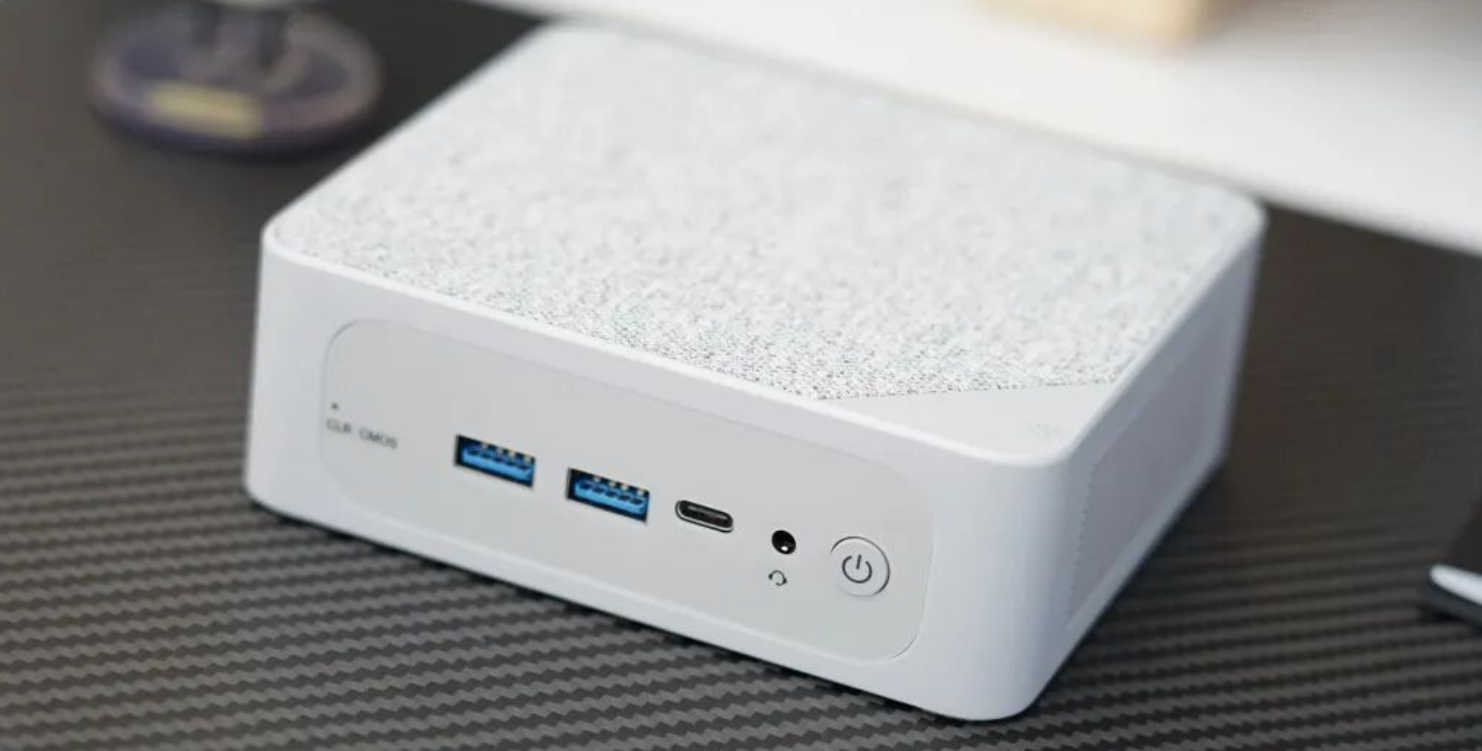
In the world of Mini PCs, the market is flooded with options, but few have managed to hold their ground quite like the Beelink SER5 Max. While Apple’s M-series silicon has locked down the premium sector, leaving little room for hardware tinkering, the SER5 Max has emerged as a cult favorite for DIY enthusiasts.
If you are a creative professional looking for a budget workstation, a home-labber, or a retro-gaming fan, this might just be the last "golden era" machine for you. Here is a deep dive into why this tiny unit, powered by the AMD Ryzen 7 5800H, punches so far above its weight class.
The Heart of the Beast: 54W TDP Unleashed
The headline feature of the "Max" iteration is right in the firmware. Unlike standard mobile deployments of the Ryzen 5800H that are often capped at 35W or 45W, Beelink has tuned this APU to run at a sustained 54W TDP.
For the uninitiated, that extra wattage allows the 8-core, 16-thread Zen 3 processor to stretch its legs. In practical terms, this tuning allows the SER5 Max to outperform the standard Intel Core i7-10700 and nip at the heels of the i7-11800H in multi-core benchmarks. It’s a brute-force approach that squeezes every drop of performance out of the 7nm silicon.
Specs at a Glance
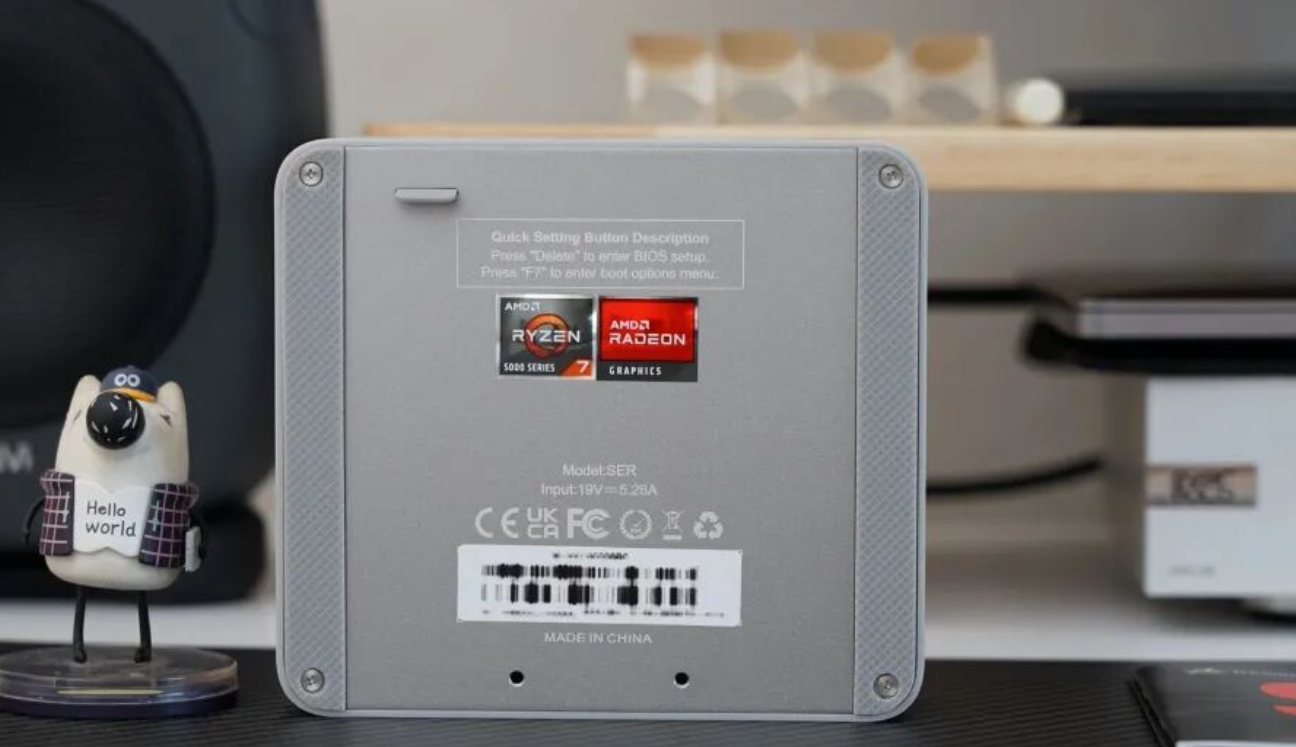
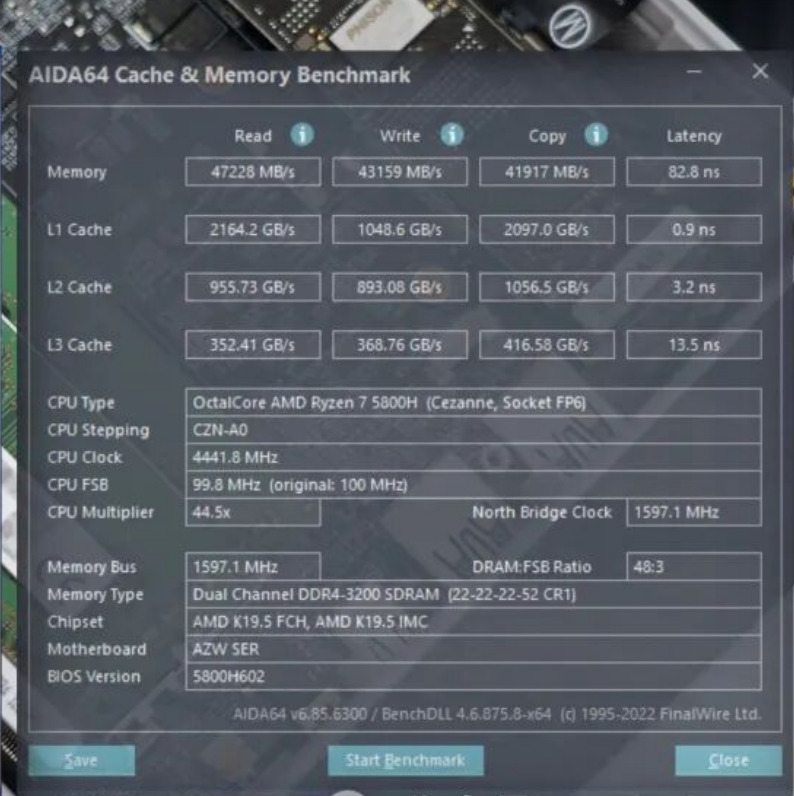
• CPU: AMD Ryzen 7 5800H (8C/16T, up to 4.4GHz)
• Graphics: Radeon Vega 8 (2000 MHz)
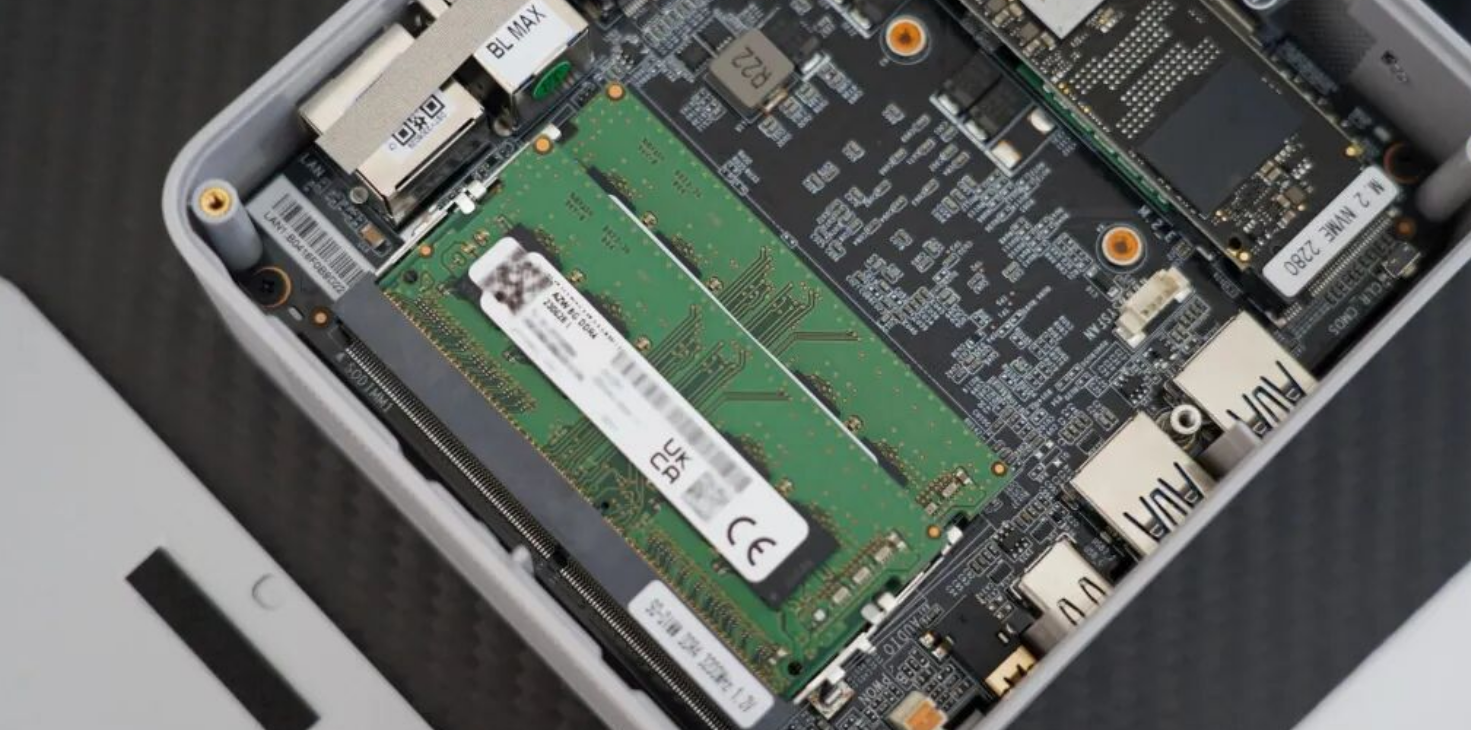
• RAM: Dual-channel DDR4 3200MHz (Upgradable to 64GB)
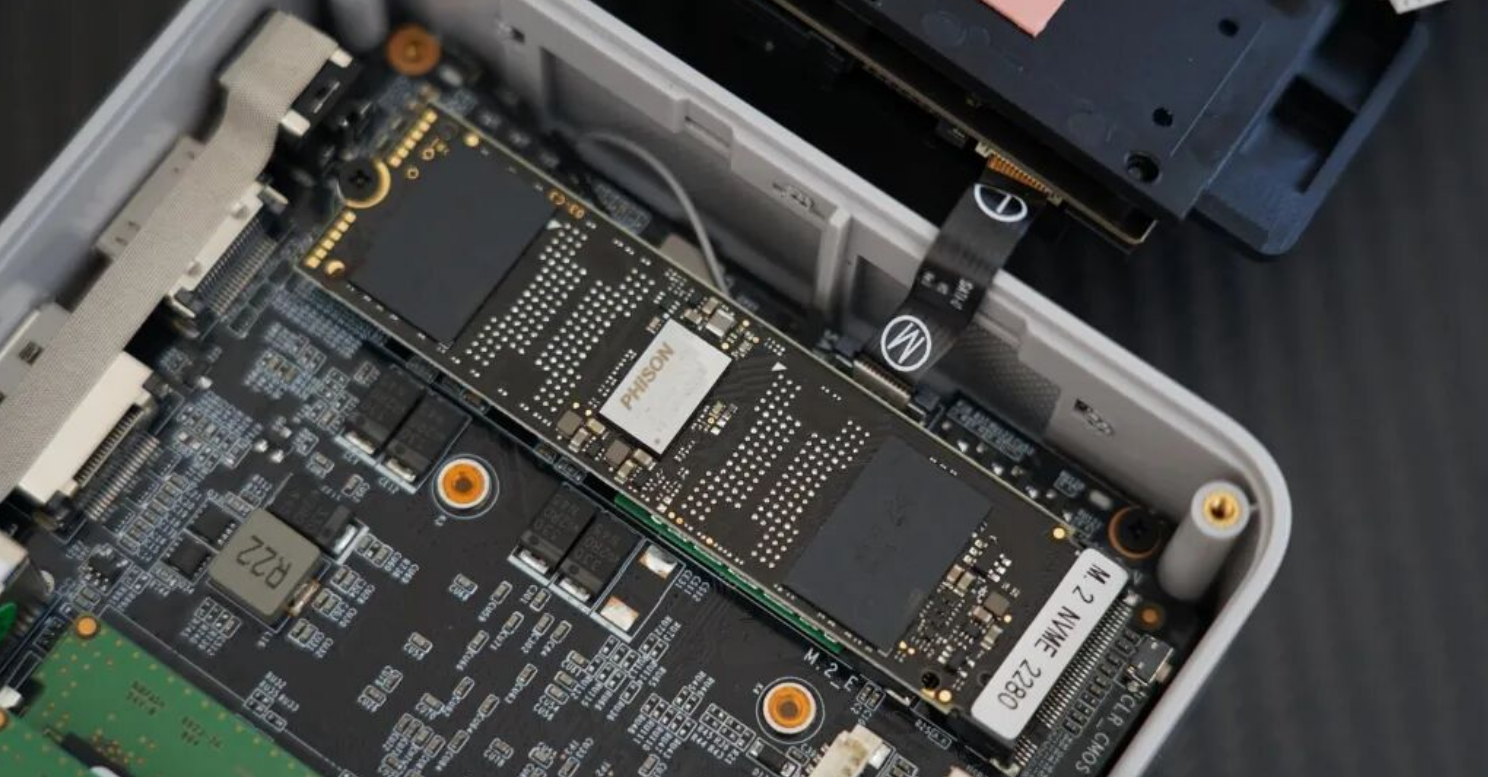
• Storage: M.2 NVMe SSD (PCIe 3.0) + 2.5-inch SATA expansion slot
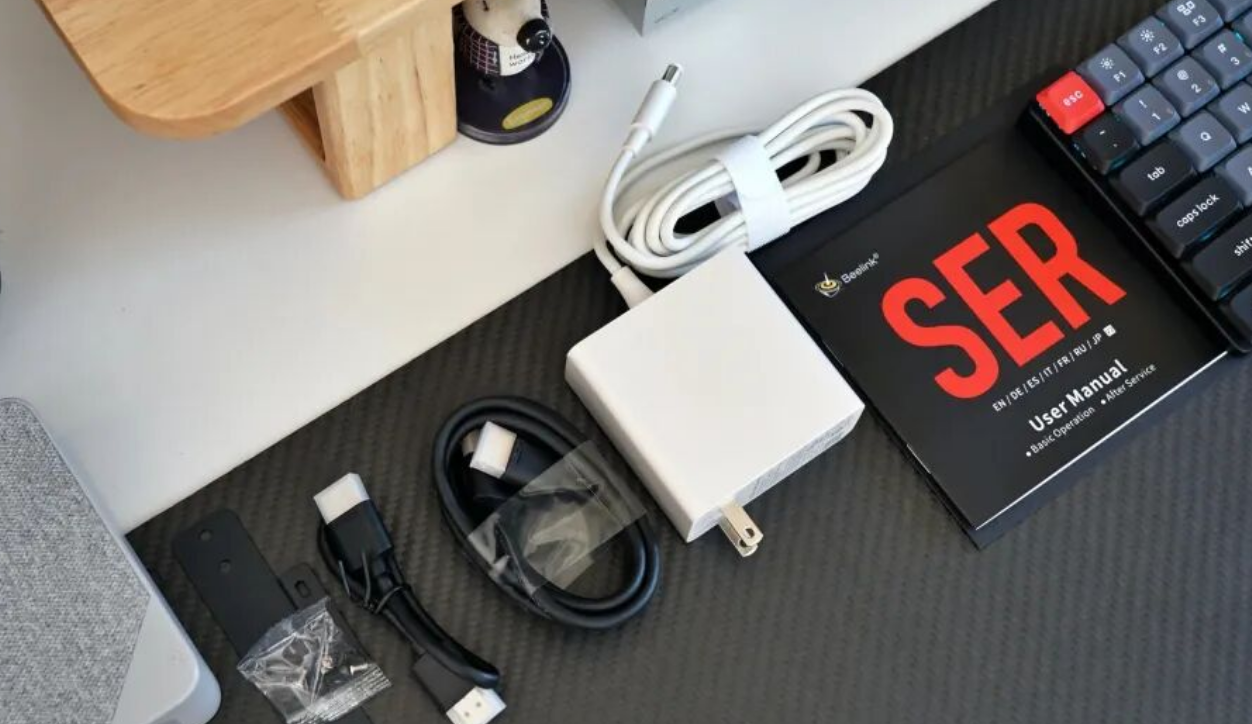
• Connectivity: Wi-Fi 6 (Intel AX200), Bluetooth 5.2, Gigabit Ethernet
The "Hackintosh" Dream Machine
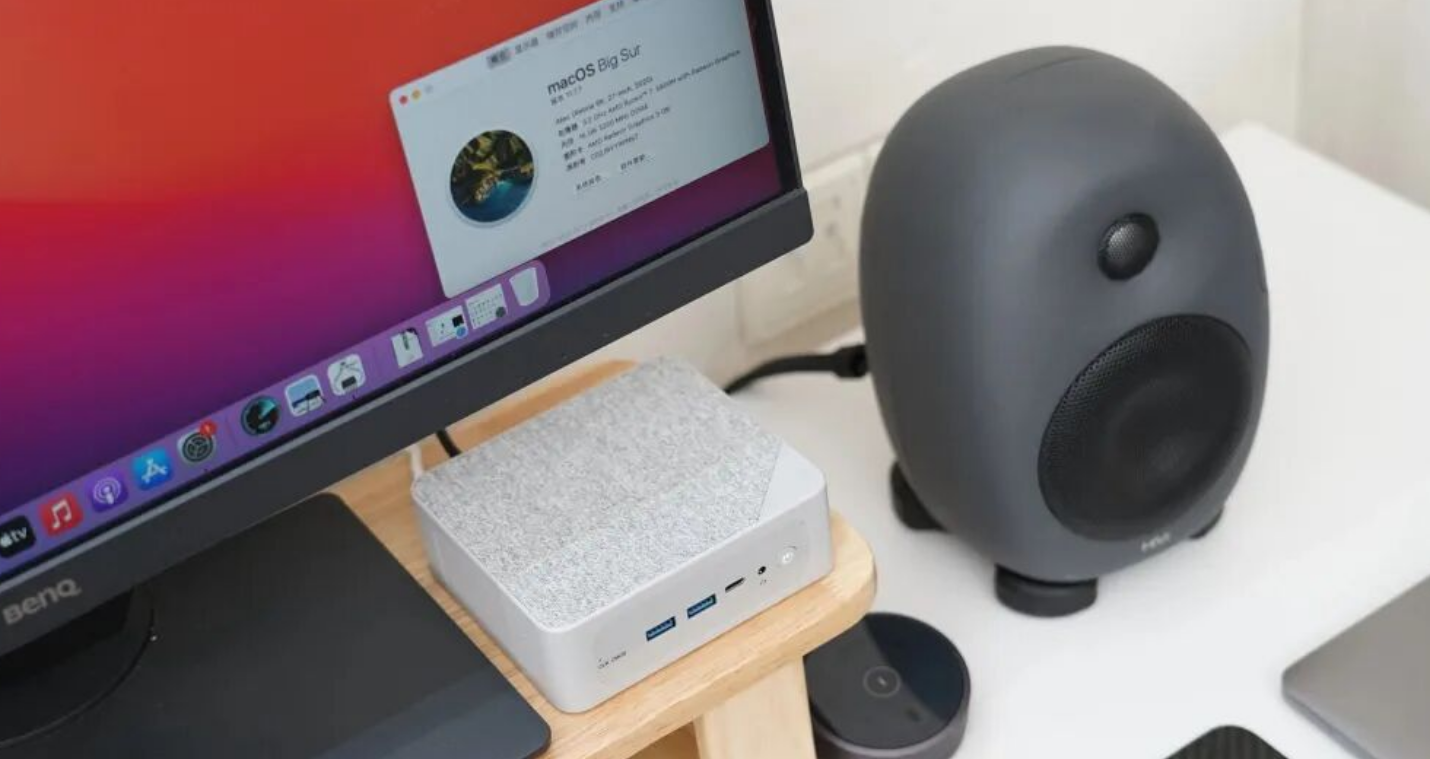
While most US reviews focus heavily on gaming, there is a massive, unique value proposition here that often goes overlooked: macOS compatibility.
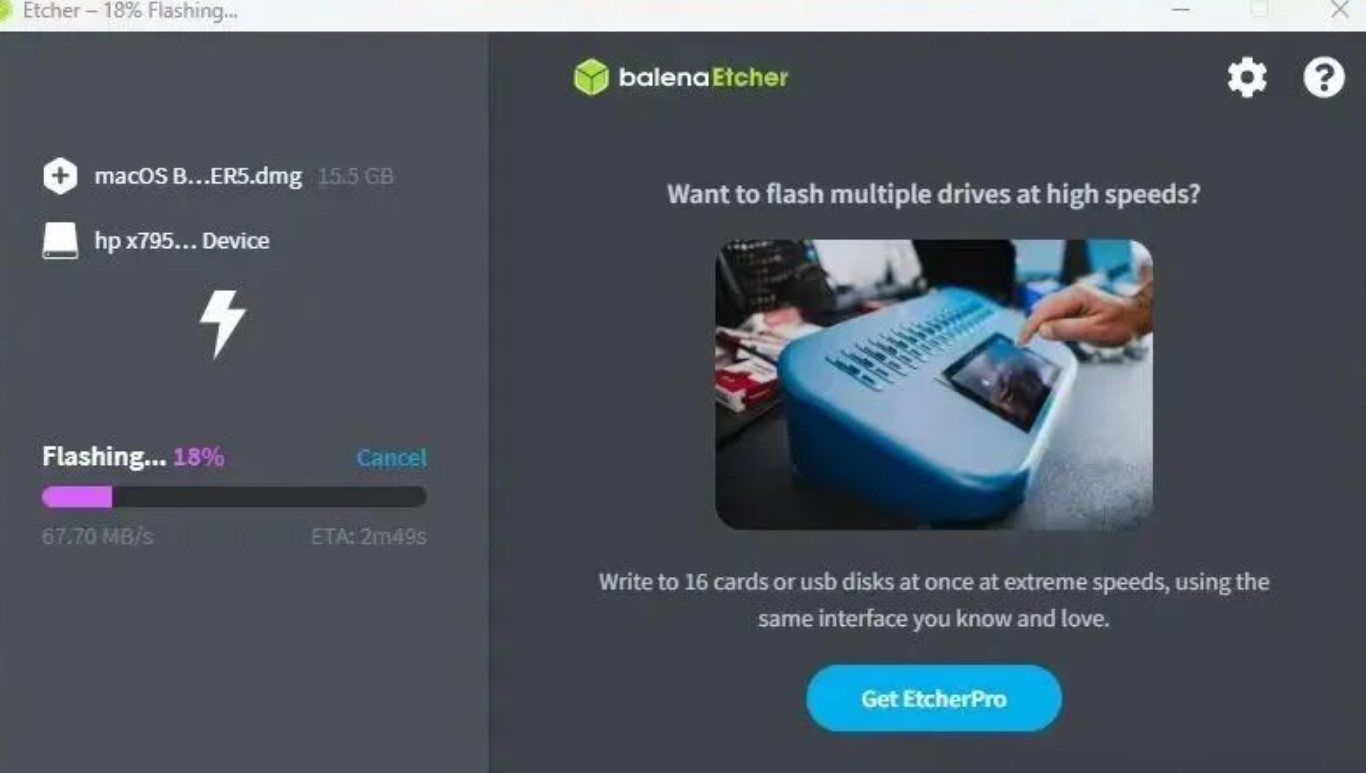
For creators who rely on the Apple ecosystem for apps like Pic GIF Lite or Fotor but cannot stomach the "Apple Tax" on RAM and storage, the SER5 Max is arguably the best budget Hackintosh candidate currently on the market. Thanks to the mature architecture of the 5800H and the Intel AX200 Wi-Fi card, compatibility is nearly native.
Once properly configured (requires some EFI knowledge or a pre-made image), this machine offers a fluid experience for 1080p video editing, photo manipulation, and document workflows.
The Value Gap: To get a Mac Mini with 32GB of RAM and 2TB of storage, you are looking at a four-figure investment. You can outfit the SER5 Max with the same capacity for a fraction of the price. While it lacks the raw single-core speed of an M3 chip, for 90% of daily creative tasks, it feels incredibly snappy—without the soldered-down limitations of modern Macs.
Gaming & Emulation: The "Retro God"
If you aren't trying to run macOS, you are likely looking at this for a retro-gaming console. The 5800H is widely considered an emulation sweet spot.
• Retro to PS2/Wii U: The SER5 Max chews through these catalogs. Because emulation is heavy on CPU resources, the 8 cores running at 54W handle upscaling to 1080p effortlessly.
• Switch Emulation: This is where the 5800H shines compared to lower-wattage chips. It handles titles like Tears of the Kingdom surprisingly well, provided you tweak your emulator settings.
• PC Gaming: Don’t expect to run modern AAA titles at High settings—that is the territory of newer RDNA2 chips (like the 680M). However, for eSports titles like CS:GO, League of Legends, or Genshin Impact, the Vega 8 graphics hold up well at 1080p Low/Medium settings.
Thermals, Acoustics, and Build Quality
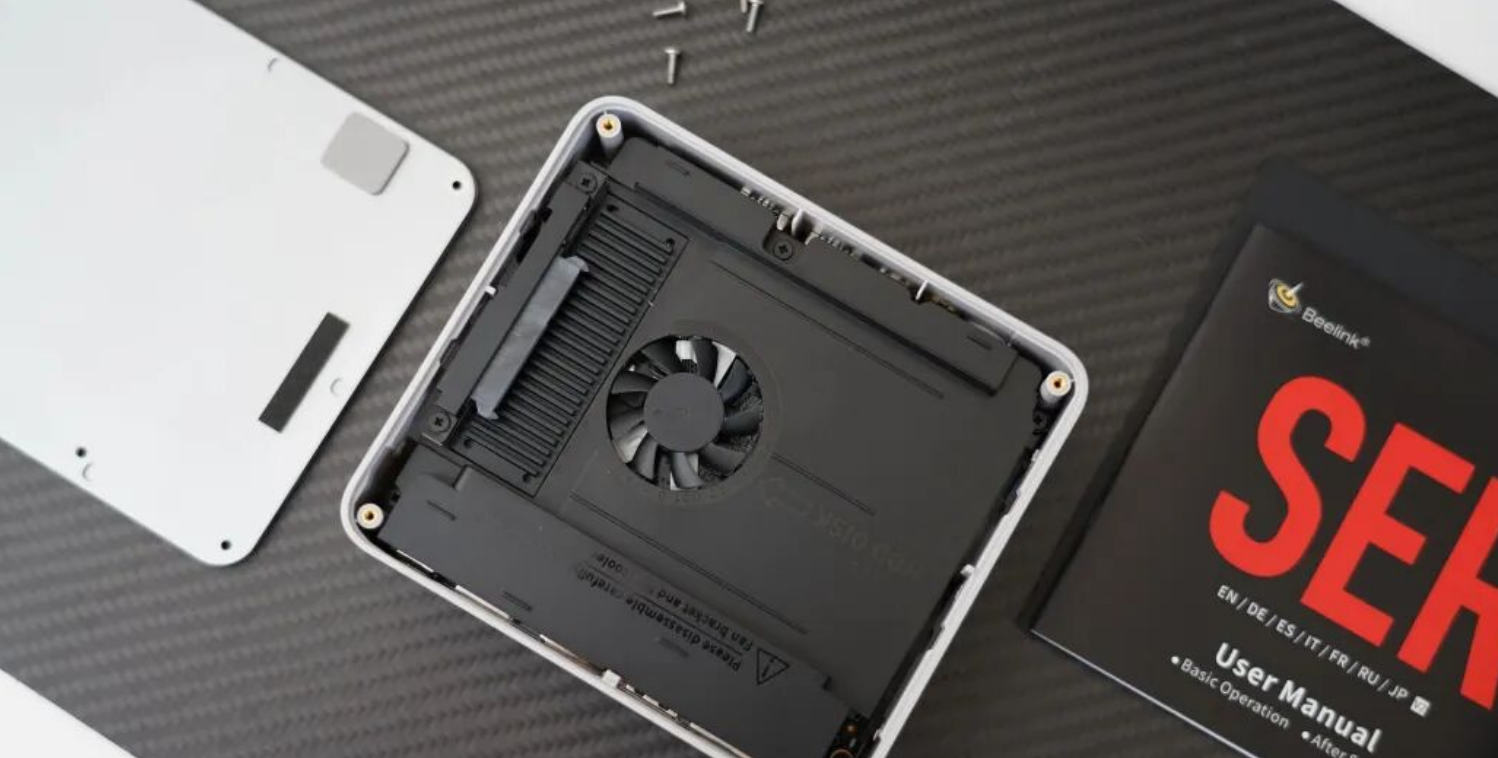
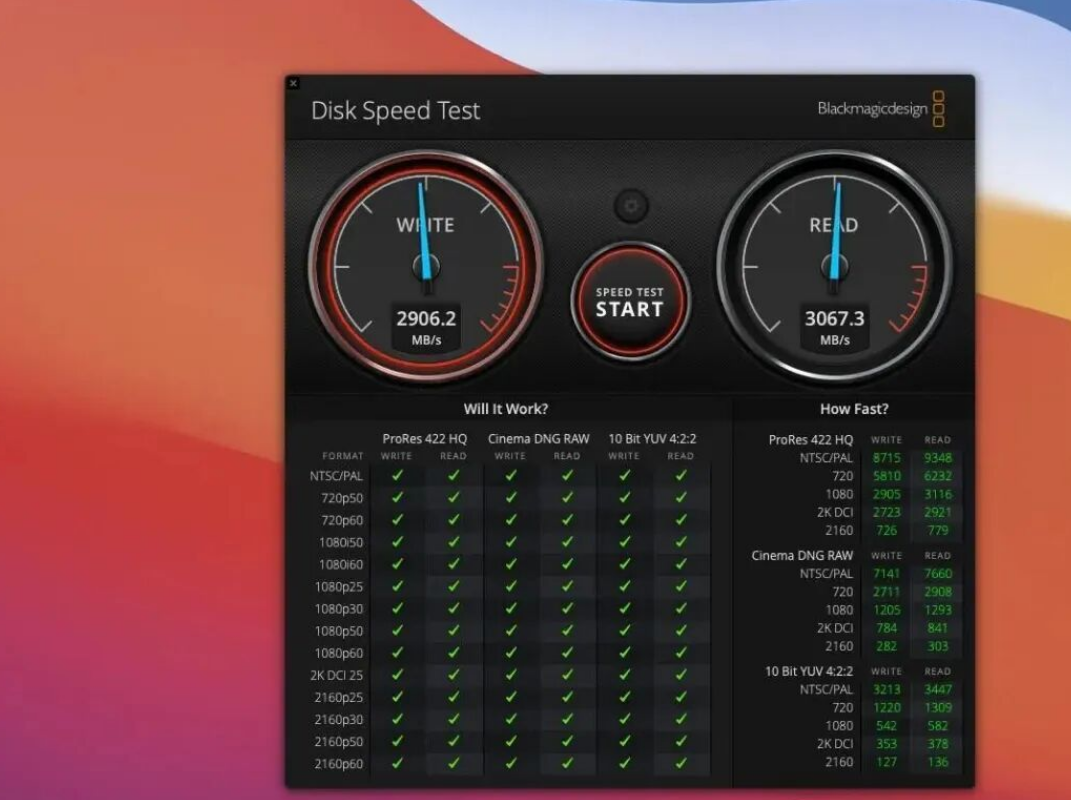
Beelink has updated the internal design for the Max model, specifically addressing the heat generated by the NVMe drive. There is now a dedicated metal heat sink incorporated into the 2.5-inch drive bracket, which actively pulls heat away from the main storage controller. In stress tests, this keeps the SSD cruising at safe temperatures even during heavy file transfers.
The Noise Factor: There is a trade-off for that 54W performance release: fan noise. Under heavy loads (like compiling code or rendering video), the fan will ramp up aggressively to keep the CPU under its 105°C thermal limit. It’s not quite a "jet engine," but it is audible in a quiet room. However, under normal workloads—web browsing, streaming 4K video, or office work—it remains whisper-quiet.
Pro-Tip: If you are comfortable opening the case, many users report significant thermal drops and noise reduction by repasting the CPU with high-quality thermal compound, as factory applications can sometimes be hit-or-miss.
Expansion and I/O
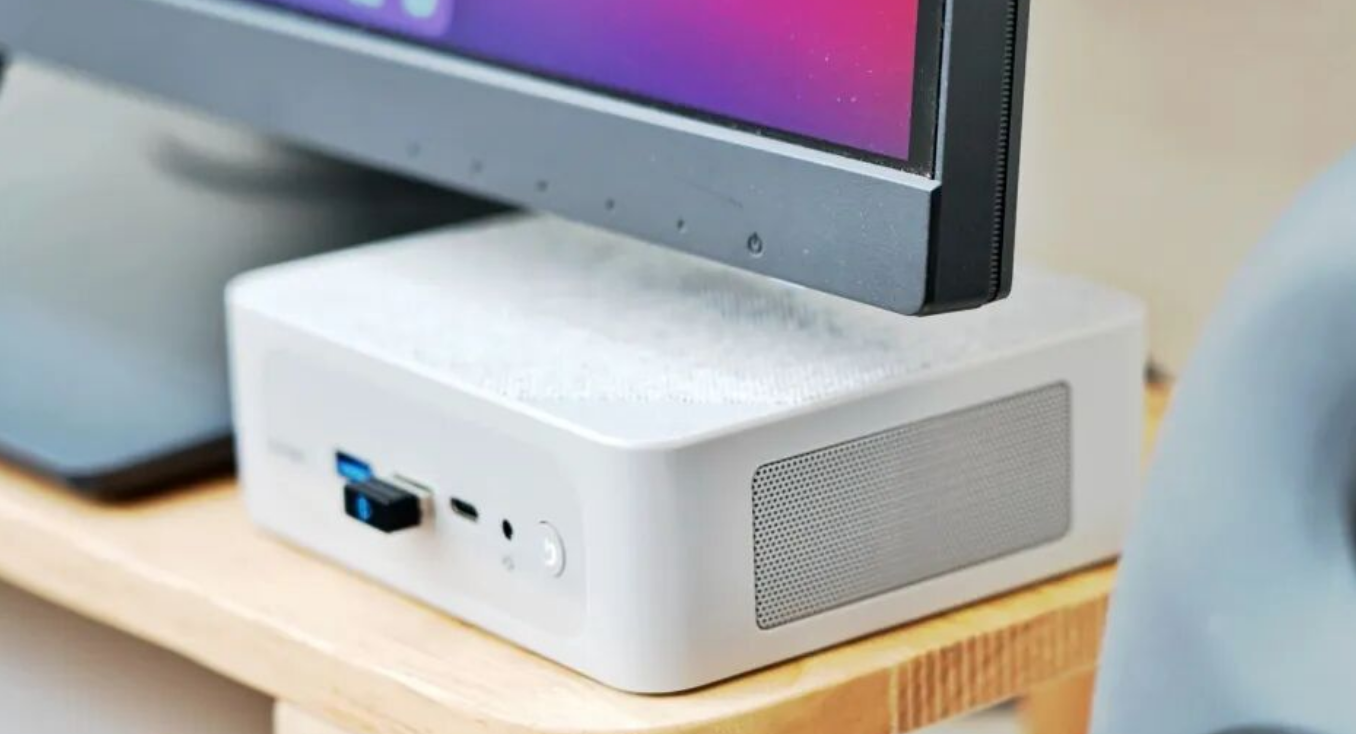
The chassis—compact enough to hold in one hand (0.6L volume)—is surprisingly well-equipped.
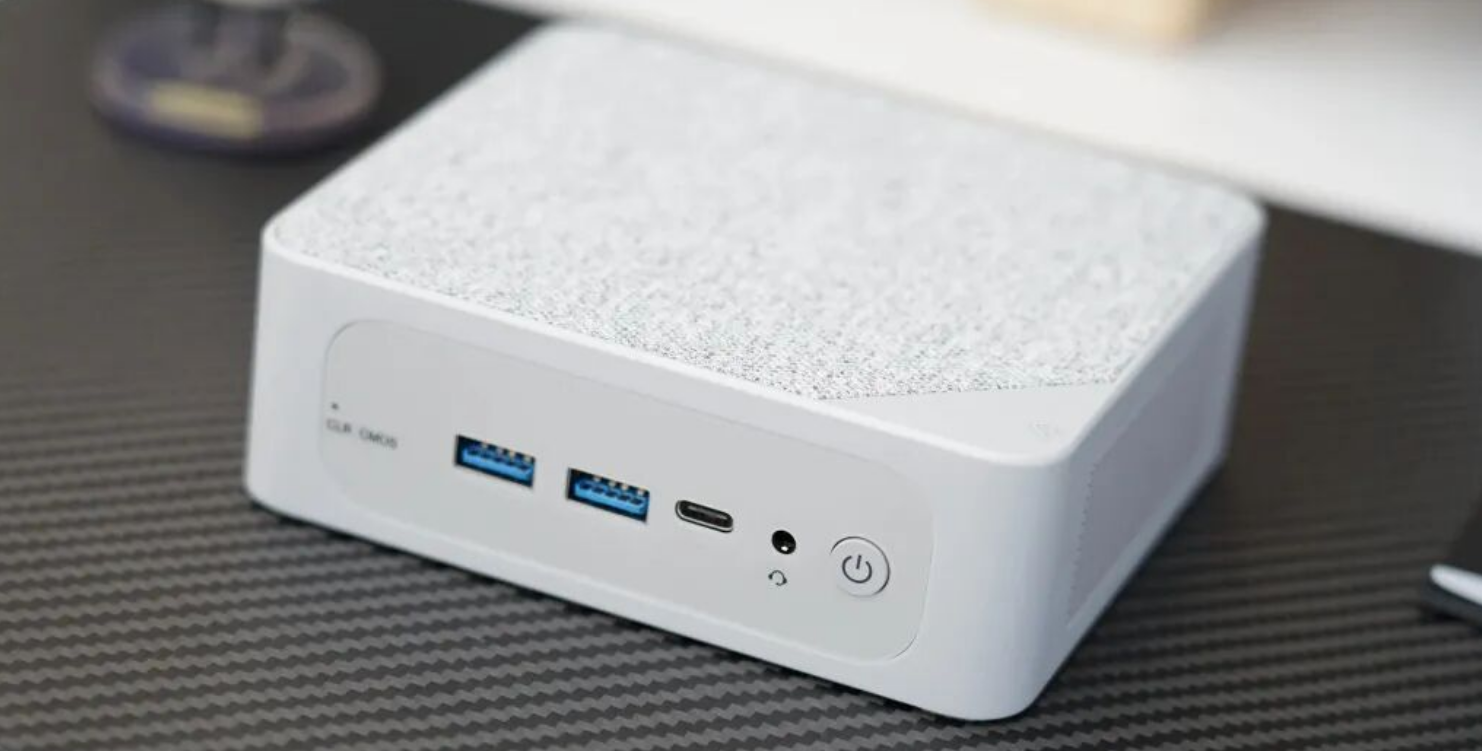
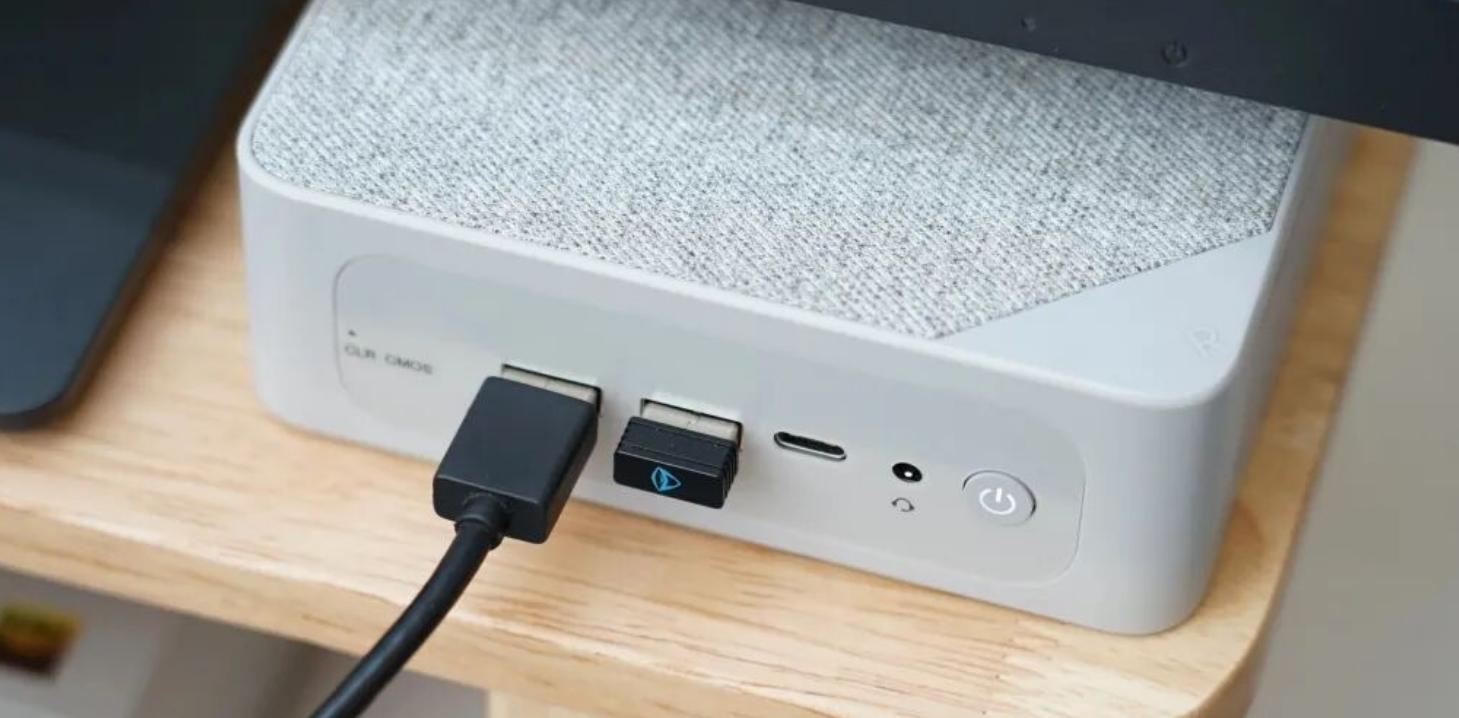
• Front: USB-C (supports video out and data), Dual USB 3.2, Audio Jack.
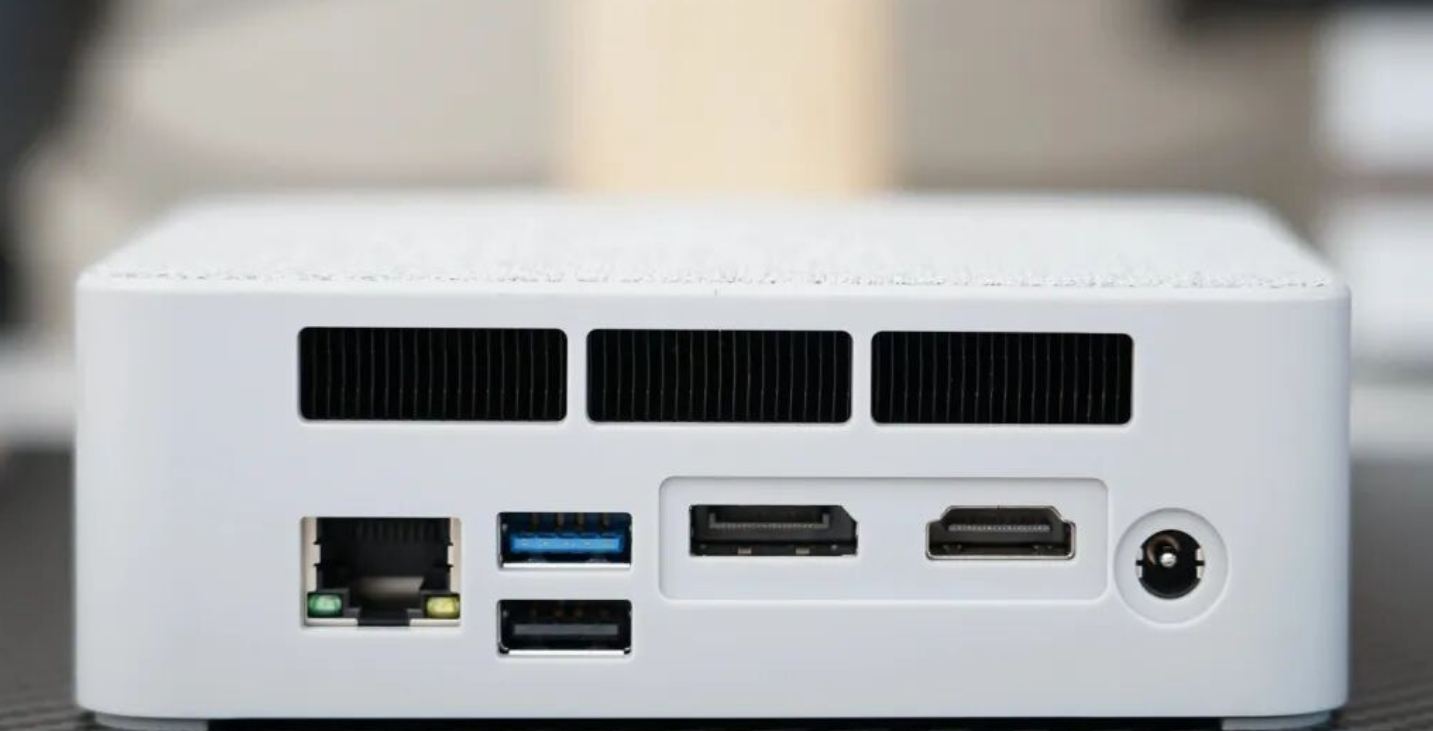
• Rear: USB 2.0 (perfect for mouse/keyboard dongles to avoid interference), HDMI 2.0, DisplayPort 1.4, and Gigabit LAN.
The ability to run a triple-monitor setup right out of the box (HDMI + DP + USB-C) makes this a fantastic productivity hub for stock traders or developers.
Verdict: Who is this for?
The Beelink SER5 Max isn't trying to be a cutting-edge gaming rig. Instead, it positions itself as the king of value.
Buy it if:
• You want a powerful, budget-friendly Home Lab or Media Server.
• You are a Hackintosh enthusiast who wants a near-native macOS experience with cheap, upgradable storage and RAM.
• You want a dedicated Emulation Console for the living room that can handle up to the PS3/Switch era.
Skip it if:
• You need dead silence 24/7 (the fan does spin up).
• Your primary goal is playing 2024 AAA PC games at high settings.
Ultimately, the SER5 Max represents the pinnacle of the "previous-gen" sweet spot—mature drivers, stable performance, and a price-to-performance ratio that is currently hard to beat in the US market.


